

The Best Gift You Can Give Your Students Isn't Another Resource
If I could go back to the beginning, travel back 25 years, and give myself one piece of advice when I started teaching, it would be to take care of myself more.
It’s easy for that to sound selfish, but as music teachers, we are our greatest asset. Our knowledge, energy, health and well-being shape the experience we are able to offer our students each day.
When we start out, we don’t think much about health and well-being, and with those, the possibility that one day we might burn out. We think about music and teaching - the need to attract students, to make money and to build a profitable teaching studio business.
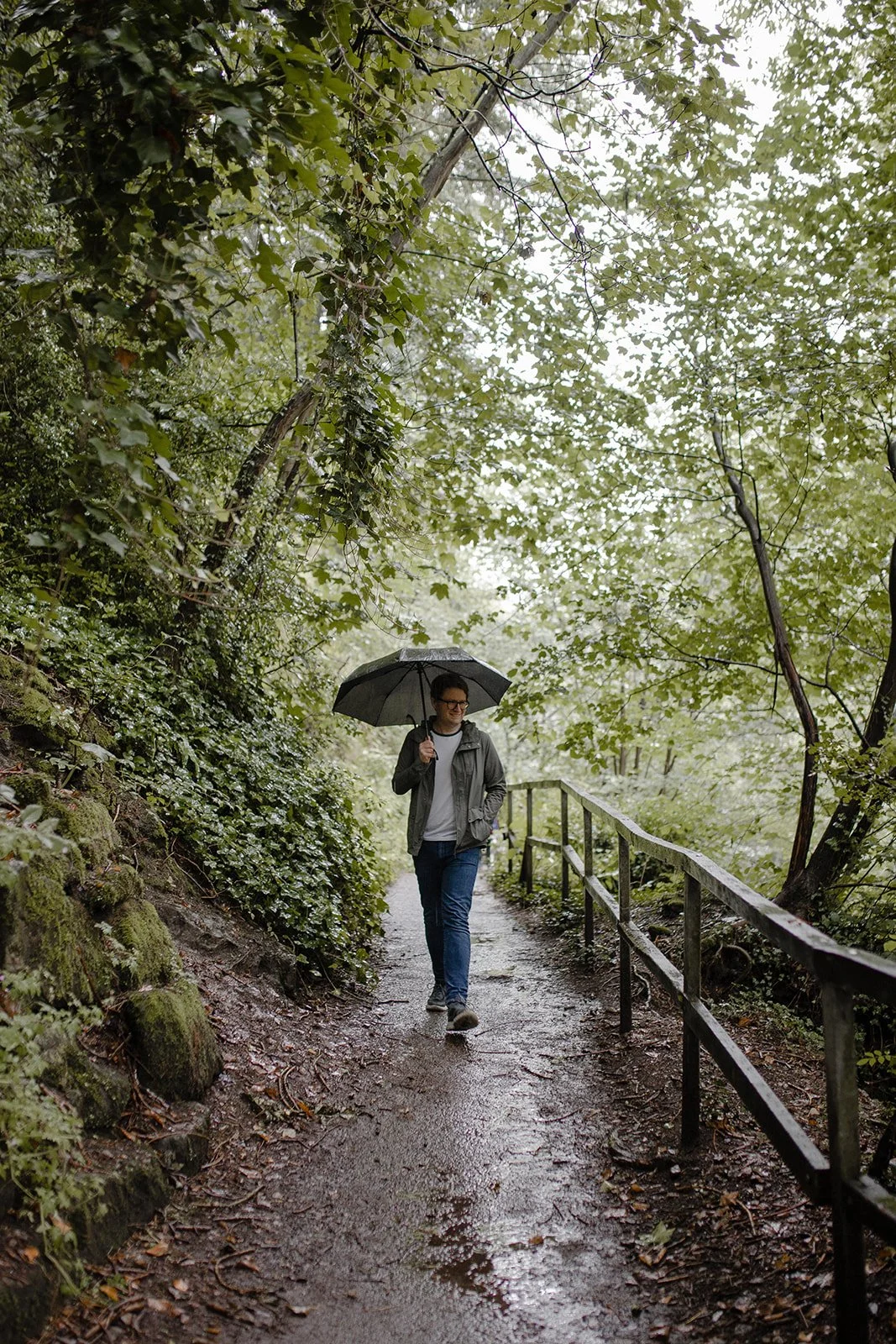
Yet in the beginning, few of us consider how intense and draining our work can become as a teacher - when we pour our heart and soul into our teaching, often on a one-to-one basis, it can eventually take its toll.
Looking back, burnout taught me something I wish I'd understood much earlier: the greatest gift we can give our students isn't another resource, qualification, or teaching idea. It's a teacher who is rested, healthy, present, and able to sustain their work over the long term.
Burnout first called at my door in the summer of 2009. I found myself overbooked, overworked, stressed, anxious, and exhausted. I loved what I did, but I could no longer pour from an empty cup. With anxiety and depression bubbling over, I ended up taking a term off. I could no longer sacrifice my own health and well-being for my business - for my students - and something had to change.
For us, that came with the radical step of moving to Lichfield, and starting afresh. Building my teaching practice up from scratch again was challenging, but I was determined to change my approach to how I ran my studio. I needed boundaries, clearer systems, and a more sustainable way of running my teaching studio.
It was a slow process. It took years to build a teaching practice that felt both sustainable and aligned with the life I wanted to live.
Here are a few of the lessons I've learnt along the way - many of them through experiences I'd rather not repeat.
Know Your maximum
After teaching for 25 years, I’ve had to accept that I have limitations - we don’t have to be superhuman. If I’m constantly exhausted, missing out on life, losing the joy and working all the hours available in my business, I am not building a sustainable teaching studio.
4.5-5 hours a day is my limit when it comes to teaching, and I don’t teach for more than 2.5 hours without a break. Most weeks I teach no more than 30 one-to-one lessons. At this moment in time, that feels a relatively manageable maximum - yours will, of course, be different, and that’s OK. I am balancing work with domestic and caring responsibilities - both of which have increased in the past year and have impacted how much I am able to do.
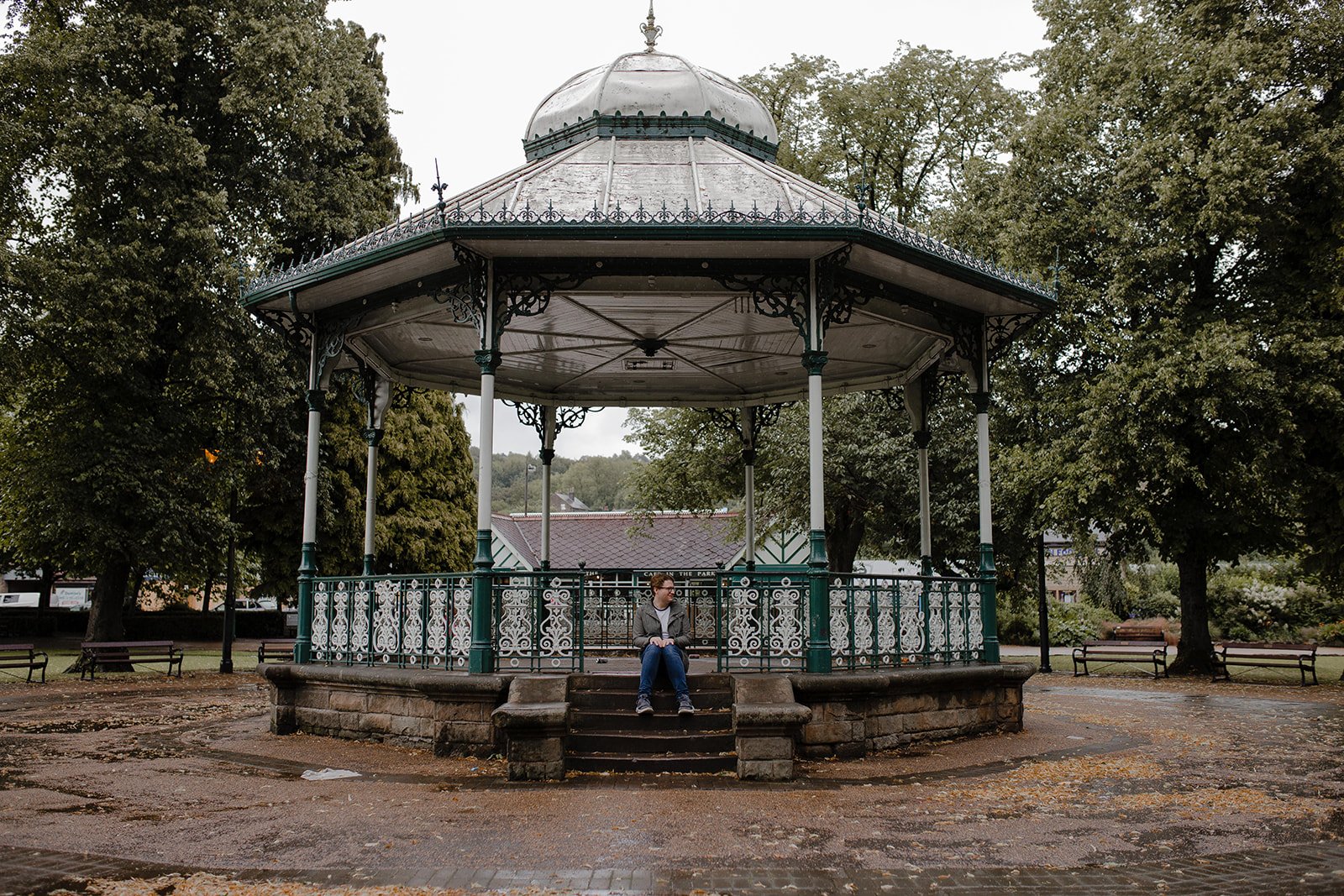
It’s taken a good amount of trial and error to discover this - you have to strike a balance between how many students you need to make your studio profitable and sustainable.
Sometimes it means raising your fees (something I wrote about in this post), diversifying your income, or rethinking what you actually need your business to provide. Pay attention to what feels good for you during the week, and if you’re feeling exhausted, then maybe you are exceeding your maximum.
Schedule your week in a way which supports you and your energy levels
As well as thinking about the number of hours you’re able to teach, think about how you schedule those throughout the week. I used to teach late into the evening - 9pm some days - but now, 7pm is my cutoff point.
Some teachers may prefer to do fewer but longer days, some might prefer to stick to school hours. I used to teach whenever students wanted lessons. Before long, my schedule felt completely out of control.
Think about what works for you in consideration of all the other things going on in your life. We can’t always create our ideal schedule immediately - it will take time to transition, but now is as good a time as any to start taking small steps in that direction.
Set boundaries (and stick to them)
I’ve talked above about some of the boundaries I’ve put in place over the years, but it’s not always about teaching time itself. When will you respond to messages and enquiries? When will you take holidays - a complete break from your studio business? Will you reply to messages during the holidays?
We want to do our best for our students, to accommodate them and to support them on their musical journeys - private music teachers are some of the biggest-hearted people I know. It’s not that this is wrong, but putting your students first and yourself last is the quickest route to burnout - believe me because I’ve been there.
Be open about the boundaries you set, and be prepared to stick to them. Ultimately, your students will respect you all the more for it. Boundaries enable you to give your best, something which is important for everyone.
And actually, no one has ever complained that I only teach on certain days, at certain times, for a set number of hours. I’m completely open about what I offer in my teaching studio and on what basis.
When our work revolves around supporting our students - being there for them - it’s important to take care of ourselves too.
Take breaks (proper breaks)
I teach mainly during school term times with some additional lessons over the summer, but in the past, I taught right through the school holidays. In some ways, I didn’t have any reason not to. I wonder if I thought that it would somehow make me more successful?
But as with so many other things, I learnt the hard way that this wasn’t sustainable. However much we love our job, we need a break - and so do our students. And by break, I mean a proper break, away from teaching. It might not always be a ‘going away’ holiday, it might simply be time at home. But it’s time not only away from teaching, but from all the admin which goes with that.
Rest, reflect, recharge and refuel often
We have been conditioned by society to think that rest is a reward. It’s something we benefit from once everything else has been done. I would say that on the contrary, rest is an essential part of our business - as essential as doing our accounts, filling in our tax return, paying our bills, and turning up to teach our students.
Life isn’t always easy or straightforward, but over the years, I’ve learnt that if I am to show up and give 100% to my students, this isn’t possible without the time I devote to resting, reflecting, recharging and refuelling.
When I talk about rest, I don’t mean an annual two-week holiday - though that might be important too - but about rest and refreshment as an integral part of the way we approach running our teaching studios.
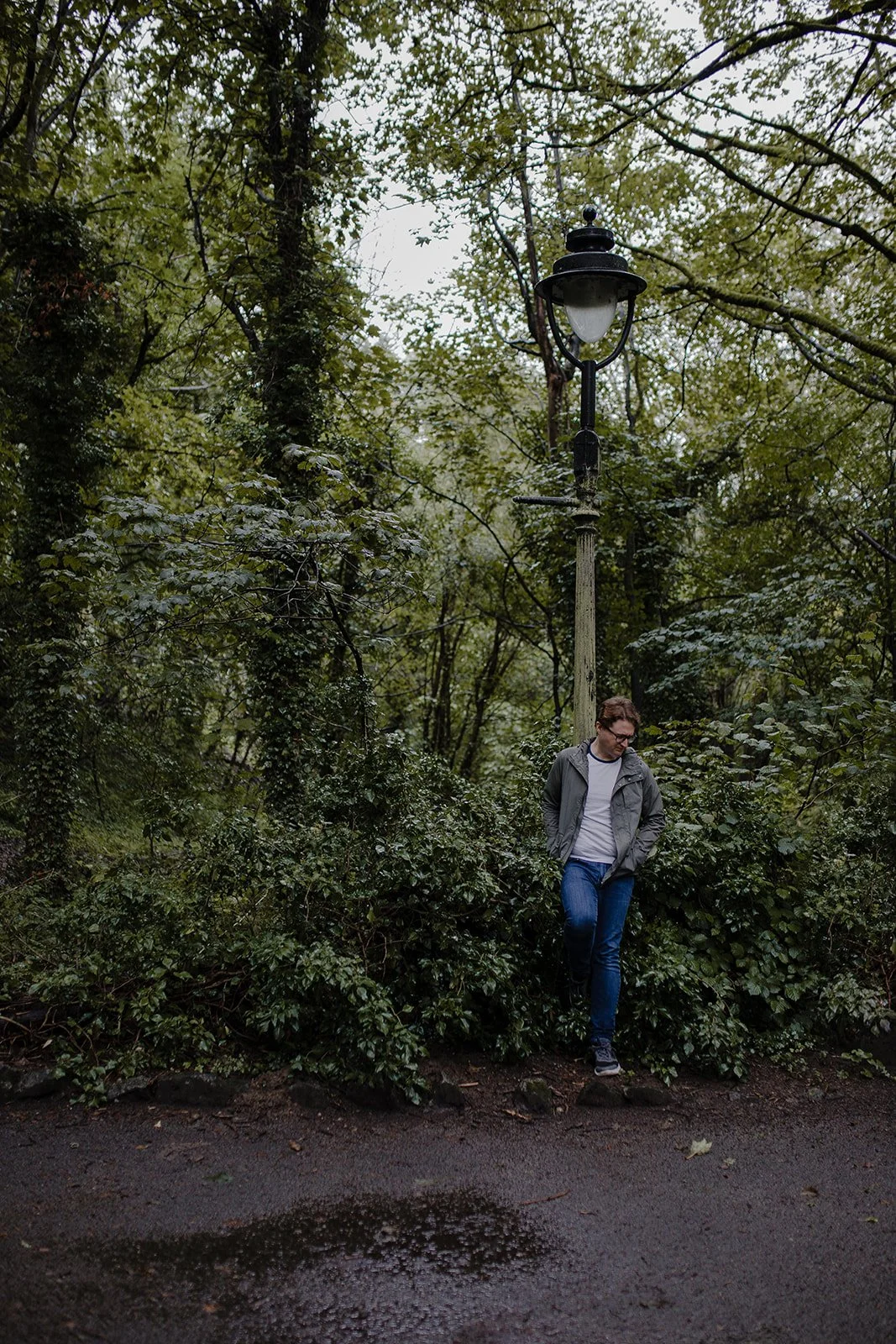
Again, boundaries are essential, but I think it’s also important to have things in our lives beyond teaching - beyond music - which nurture and nourish us too. It’s important to create time to nurture and nourish our own creativity - our own music-making. We need to prioritise sleep - putting our health and well-being first, exercising, getting outdoors, and eating healthily - so that we can show up for our students and give our best.
In many ways, when we accept these things are essential - when we build these things into our routines - embed them into the life of our teaching studio - it is then that we can do our best, most meaningful and impactful work with our students.
And believe me, none of us have it all worked out. It is a constant process of reflection - of tweaking and refining. Burnout came knocking again for me late last year - a reminder that none of us are indestructible.
Ultimately, our students don’t always need another resource - the best gift you can give them is a well-rested, nurtured, nourished, and healthy teacher.
If these questions around teaching, sustainability, confidence, and building a more intentional studio are ones you’re wrestling with, you might also enjoy exploring The Reimagined Studio - my one-to-one mentoring space for music teachers seeking a gentler, more rooted, and creative approach to teaching and studio life.
If this entry in The Notebook has encouraged or supported you, you are warmly invited to buy me a virtual coffee on Ko-Fi. Support starts from just £3 - whether as a simple one-off gift or a monthly subscription - helping this freely offered work to continue and quietly grow.



Perhaps you don’t need to attract more students. Perhaps you simply need to become a little clearer about which students are right for you.