

ABRSM Piano Syllabus 2027-28 | Tradition, Trend, or Both?
With the release of LCME's new piano syllabus a few weeks ago - one which received glowing reviews across the board, including from myself - ABRSM has a good amount to live up to.
While LCME and Trinity have moved to open-ended syllabuses, ABRSM continues to refresh its repertoire every two years. This regular renewal provides opportunities to introduce new music, showcase living composers and respond to changing tastes. In theory, it should allow the syllabus to remain fresh and relevant. But does it always result in a stronger exam syllabus?
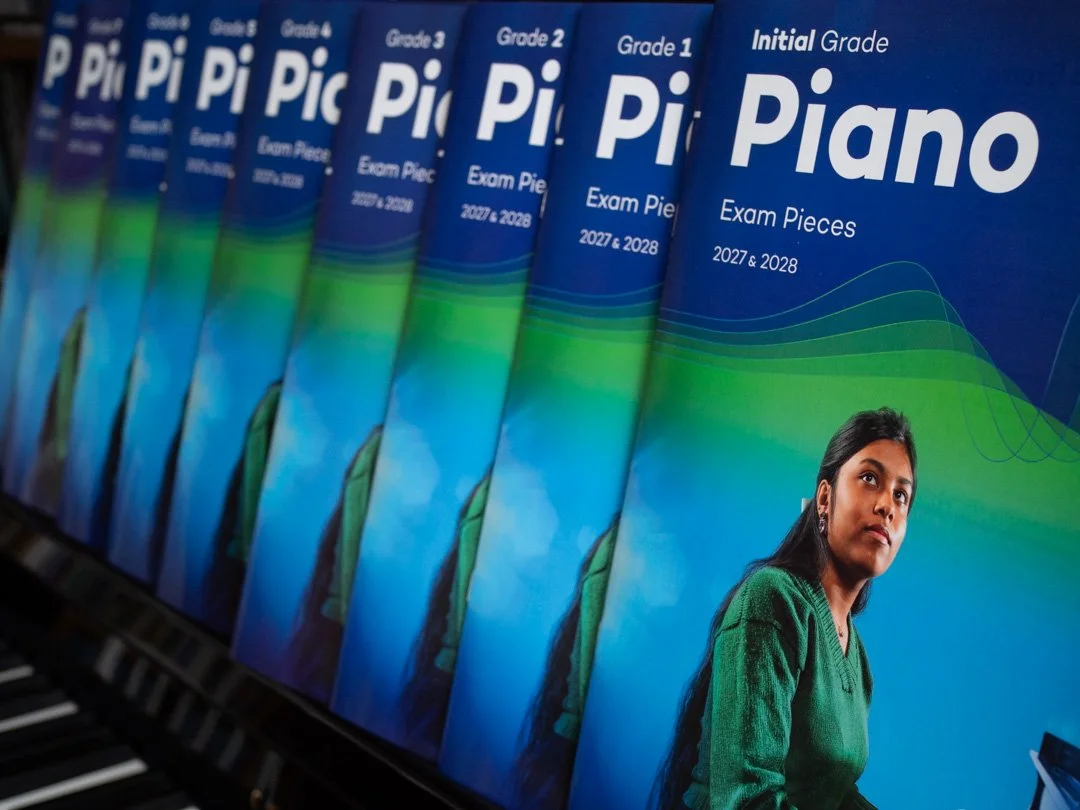
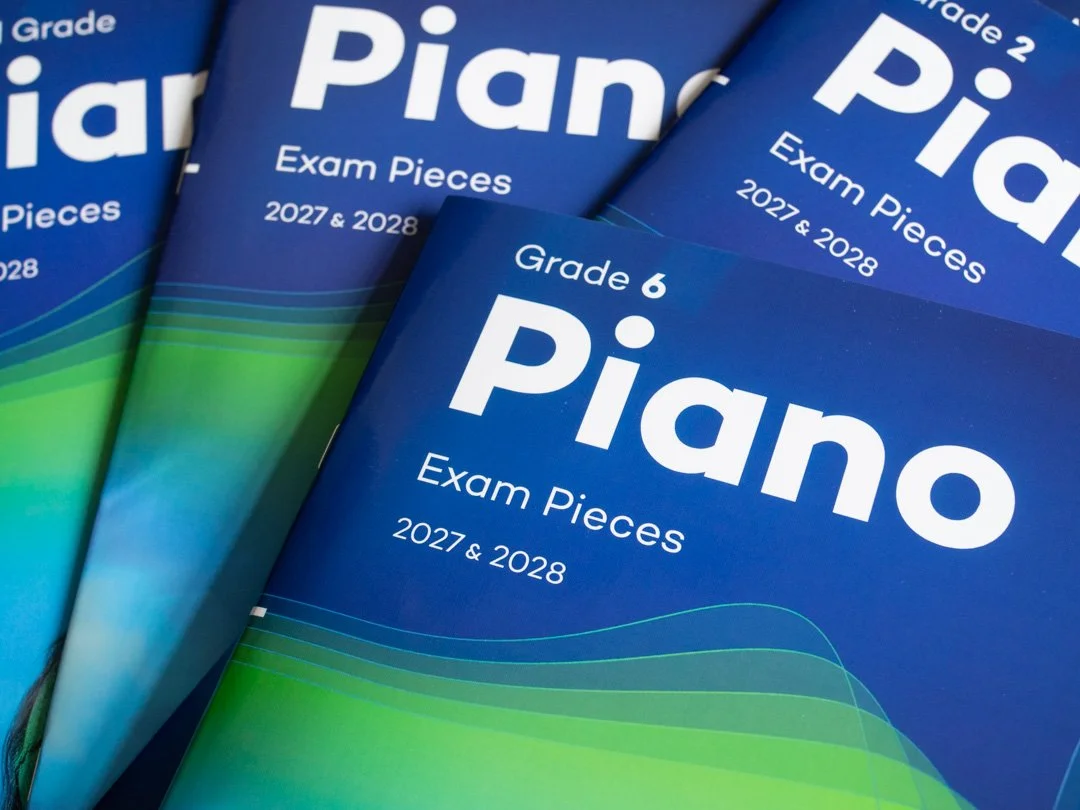
ABRSM describes the new 2027-28 piano books as being:
‘carefully curated to offer a balanced mix of styles - from core classical repertoire to fresh arrangements of pop, stage, and film favourites, appealing to a wide range of learners.’
The books now include QR codes linking to recordings and online resources, alongside the familiar and useful teaching notes which accompany the syllabus. Beyond the repertoire itself, little has changed. Scales and arpeggios, sight-reading, aural tests and exam formats all remain as before.
Perhaps the question, then, is not whether ABRSM has produced a diverse syllabus - it undoubtedly has. Rather, whether that diversity has been successfully balanced with consistency, coherence and the educational aims of a graded piano exam.
So what does the new syllabus offer?
First Impressions of the New Syllabus
At first glance, the 2027-28 ABRSM Piano Syllabus presents an extraordinarily broad range of repertoire, spanning everything from the classical canon to contemporary works, film music, jazz and popular arrangements. The sheer variety on offer is immediately apparent.
In my review of the 2025-26 syllabus, I questioned how such a wide range of musical styles might be assessed fairly against a single set of examination criteria rooted largely in classical performance traditions. Those criteria remain unchanged, and so the questions raised two years ago feel just as relevant today.
My initial exploration of the syllabus left me feeling bewildered. If the new LCME Piano Syllabus felt like meeting an old friend, the new ABRSM syllabus felt more like meeting an old friend whom I no longer recognised. At times, I found myself struggling to identify the underlying thread connecting the repertoire choices across the lists and grades.
Yet there is also much here to admire. ABRSM deserves credit for continuing to take risks and for championing a wide range of composers and musical styles. The challenge, however, is that such breadth inevitably brings questions of consistency, progression and benchmarking. As I worked through the repertoire, these were the questions I found myself returning to most often.
Repertoire Discoveries
With no significant changes to the wider syllabus requirements, attention inevitably turns to the repertoire itself. As usual, ABRSM has published nine books of selected exam pieces, covering Initial Grade and Grades 1-8. It is here, perhaps more than anywhere else, that the character and priorities of a syllabus reveal themselves.
ABRSM Initial Grade Piano
For many teachers, Initial Grade, introduced a few years ago, has, for many teachers, largely replaced the Prep Test and is therefore, for many young pianists, their first experience of a piano exam. It is a difficult grade to pitch, with only a limited set of technical, reading and musical skills having been developed at this stage.
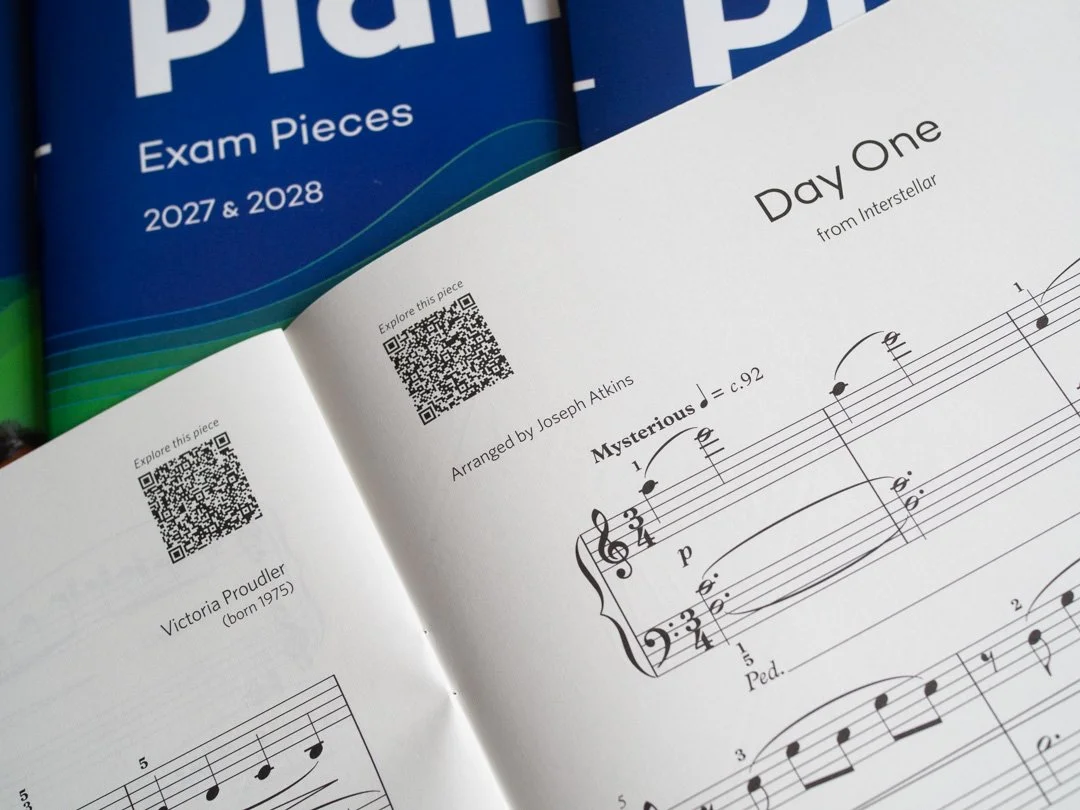
With this in mind, I was surprised by some of the repertoire selected. Several pieces appeared to demand skills more commonly associated with Grade 1, including frequent changes of hand position and wider reading demands. In the case of the arrangement from the film Interstellar, notes extend several ledger lines above the treble stave, raising questions about whether some repertoire is expected to be taught largely by rote.
Taken individually, these challenges may not be problematic. Collectively, however, they left me wondering whether there is a mismatch between the repertoire being selected and the developmental stage of many Initial Grade candidates. For a grade intended to provide an accessible introduction to piano exams, some of the repertoire felt demanding, something also echoed by Andrew Eales in his review.
ABRSM Grades 1-5 Piano
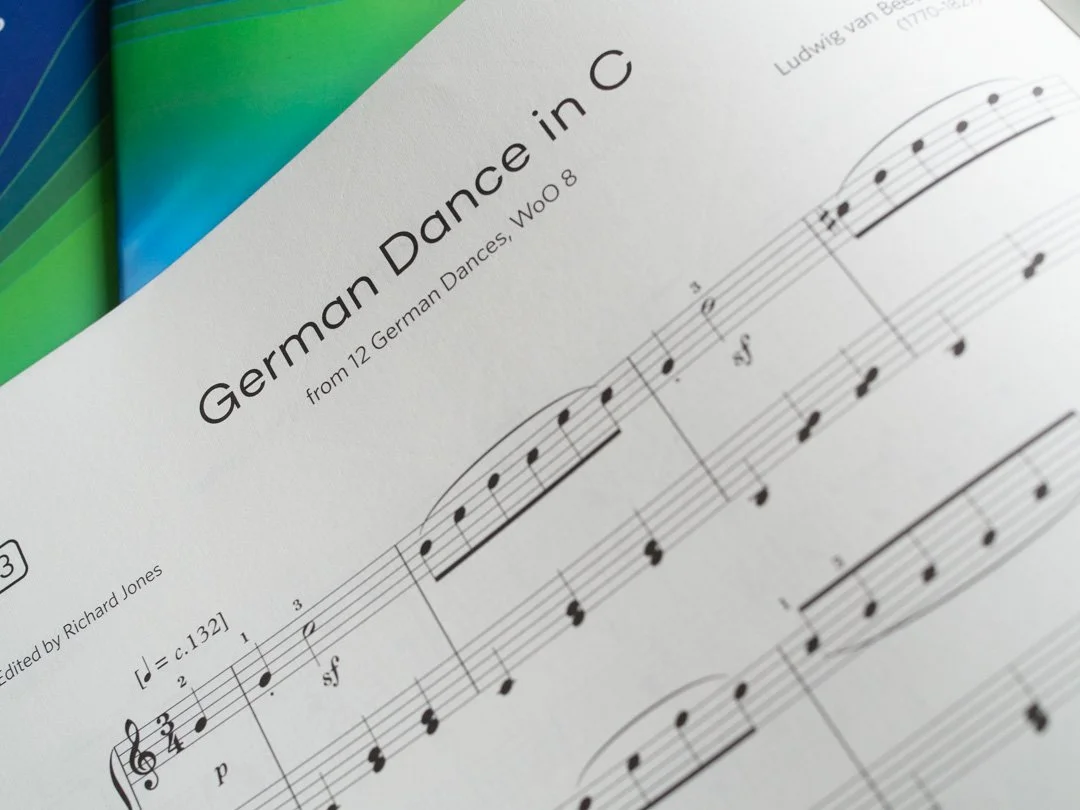
Grades 1-5 felt stronger overall, with a number of genuinely enjoyable discoveries along the way. Grade 1 offered a solid and well-balanced selection, with Haydn, Beethoven, Dyson and Iles sitting comfortably within the traditional List A, B and C structure. I particularly enjoyed Nikki Iles' ‘Roo's Blues’ from Piano Tales for Winnie-the-Pooh (a book I recently reviewed here), which combines accessibility with real musical character.
By Grade 2, however, some of the questions raised by recent ABRSM syllabuses began to re-emerge. The balance between newly commissioned works, arrangements and established repertoire felt less clear, prompting me once again to wonder whether the pursuit of novelty is beginning to overshadow some of the wealth of existing piano works available at these levels.
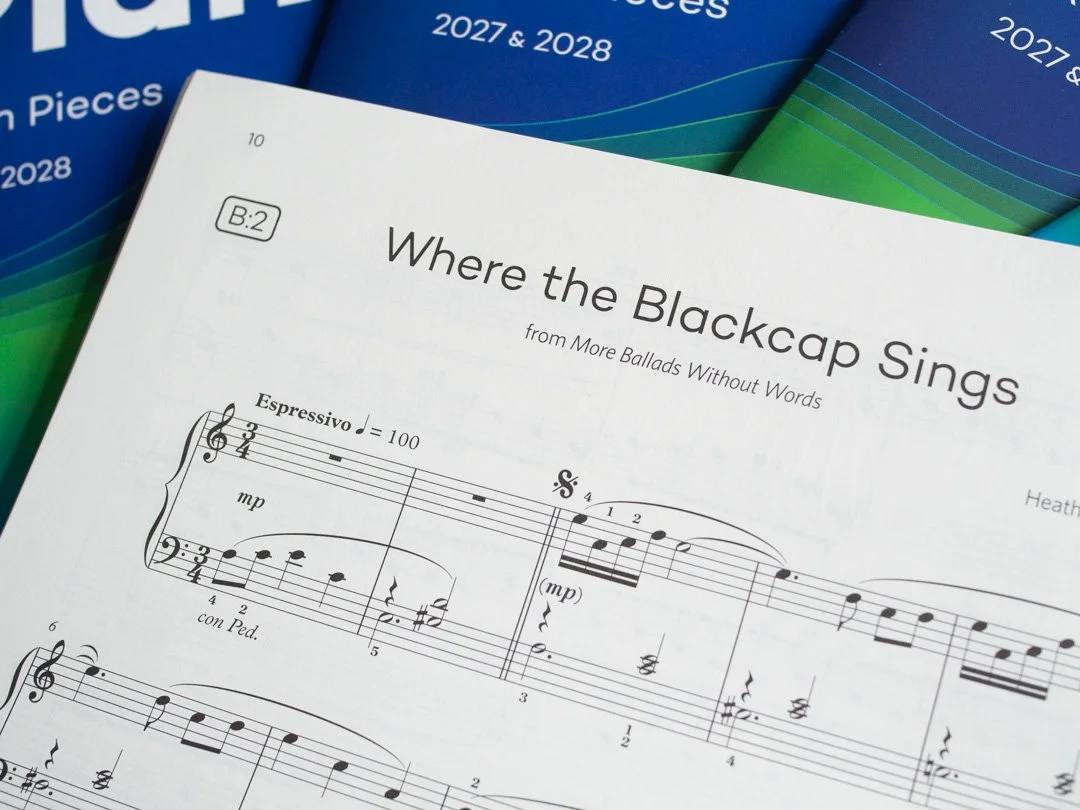
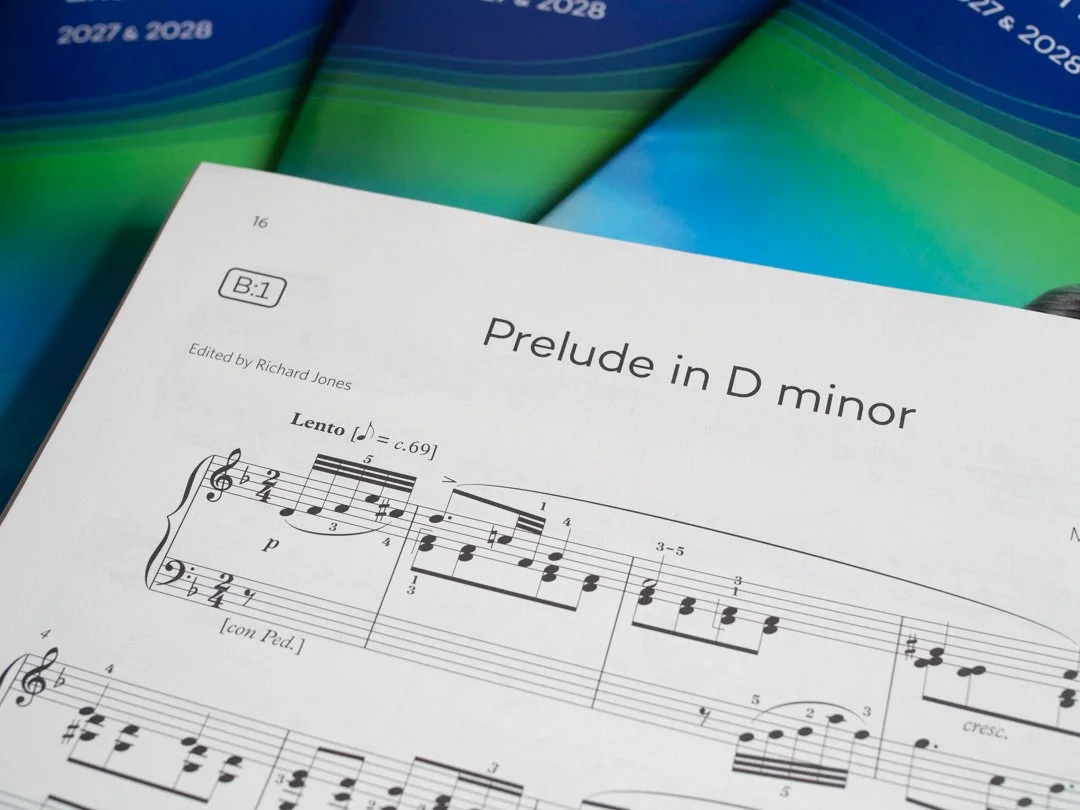
There were nevertheless many highlights. Leslie Fly's Kingfisher at Grade 3 was one of my favourite discoveries of the entire syllabus. It served as a reminder that there remains a rich body of 20th century educational repertoire which sits comfortably between the established classics and newly commissioned works. Grade 4 also contained some attractive selections, including Ludvig Schytte's Hide and Seek and Heather Hammond's When the Blackcap Sings.
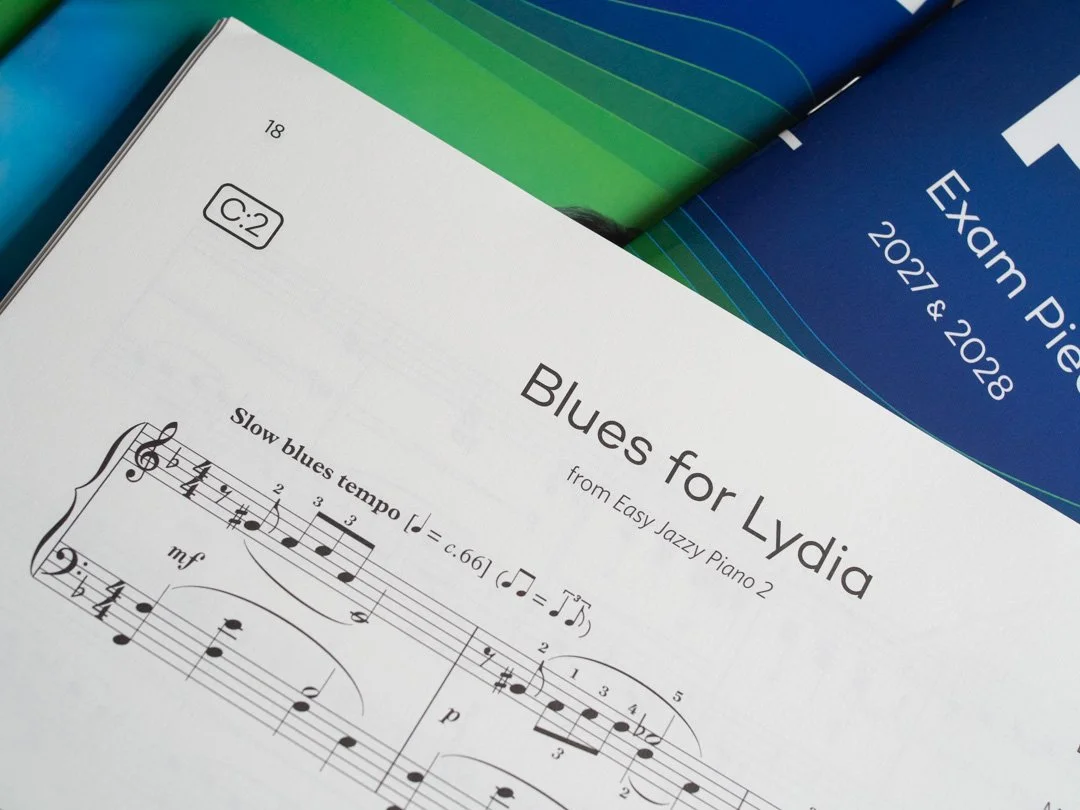
Whilst I have sometimes been critical of the growing number of arrangements appearing in recent syllabuses, high-quality arrangements can undoubtedly enrich a repertoire list. Nancy Litten's arrangement of Saint-Saëns' ‘Fossils’ from The Carnival of the Animals is a good example, bringing a familiar work within reach of intermediate level pianists without sacrificing musical integrity. Grade 5 also included some strong choices, particularly Mike Cornick's Blues for Lydia.
Across these middle grades, there was much to admire. Yet the recurring question remained: how do we strike the right balance between introducing fresh repertoire and preserving the wider tradition of piano literature upon which these exams have historically been built?
ABRSM Grades 6-8 Piano
The upper grades continued to present a mixture of intriguing discoveries and occasional questions about consistency of level. Some pieces felt slightly under-pitched for their grade - particularly at Grades 6 and 7 - whilst others appeared more demanding than their placement might suggest. This is not a new issue, but it remains one of the challenges of delivering a syllabus that draws from such a huge range of musical styles and genres.
There were, however, several works which caught my attention. I enjoyed Chiquinha Gonzaga's Sultana at Grade 6 and Ciurlionis' Prelude in D minor at Grade 7, both of which brought distinctive musical voices to the syllabus. I was also interested to note that a number of pieces have continued the trend of moving between grades over time, highlighting the ongoing challenge of benchmarking repertoire consistently.
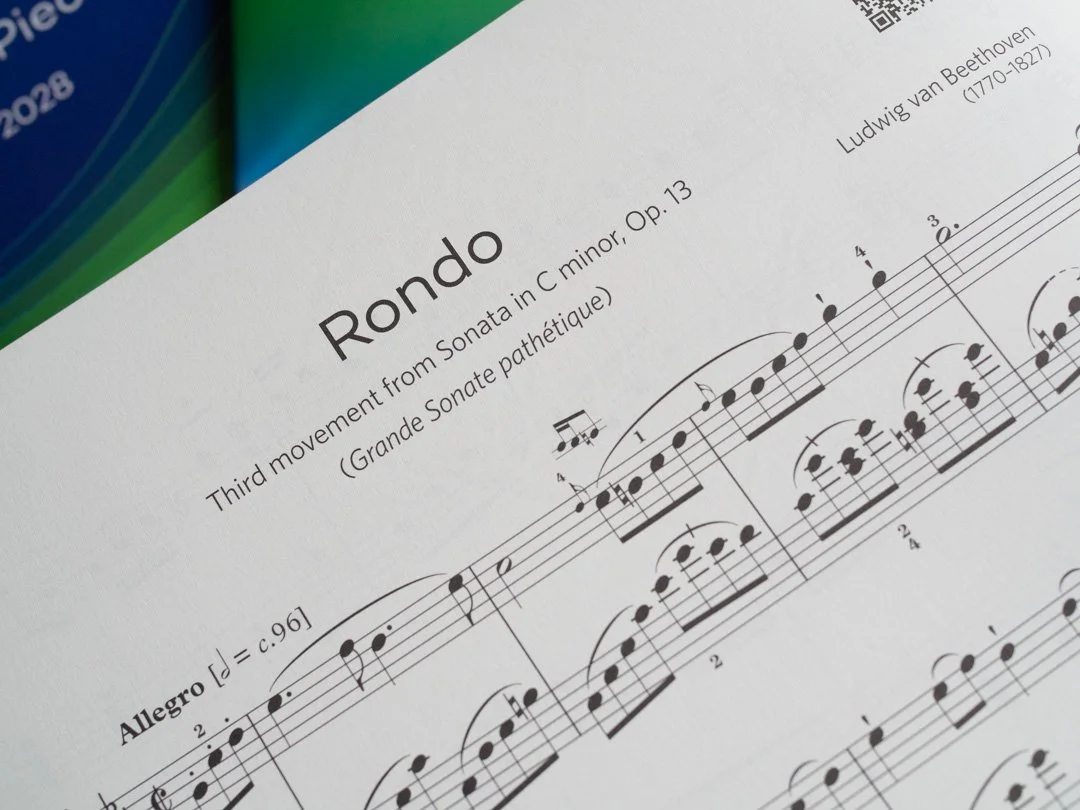
Grade 8 felt rather different from some of the lower grades. Here, ABRSM appears to have retained stronger links with the traditional canon, with Bach, Beethoven, Ravel and Chopin all represented. Perhaps this reflects the continued perception of Grade 8 as a significant milestone and a gateway to further musical study. At the same time, the List C selections offered a glimpse of the wider stylistic diversity that characterises the syllabus as a whole, with works by Isis de Cairos-Rego, Alexis Ffrench and Gwilym Simcock providing contrasting musical perspectives. Perhaps this model should be applied throughout the syllabus?
The result is a Grade 8 syllabus that feels more anchored than some of the lower grades, while still reflecting ABRSM's ongoing commitment to broadening the repertoire available to candidates.
Final Thoughts
Overall, I was underwhelmed by the new ABRSM Piano Syllabus 2027-28. In many respects, it raises the same questions I found myself asking two years ago: what is the purpose of a graded piano exam, and how should repertoire support that purpose?
As I worked through the syllabus, I found myself returning repeatedly to questions of consistency and progression. Some pieces felt unusually demanding for their grade, whilst others appeared comparatively straightforward. Benchmarking has always been one of the challenges of syllabus design, but it felt particularly off-balance here.
To be clear, my concern is not that ABRSM has included contemporary repertoire, arrangements, or pieces by living composers. Many of the most interesting and enjoyable discoveries in this syllabus come from exactly those sources. Nor do I doubt ABRSM's desire to create a repertoire list that reflects the diversity of musical life in the 21st century.
Rather, I am left wondering whether the pursuit of ever-greater variety and diversity is beginning to compromise consistency and coherence. Are we primarily curating collections of pieces which showcase the widest possible range of repertoire, or are we selecting music which enables a fair and consistent assessment of a pianist's developing skills?
There should be room for both tradition and innovation, and indeed some of the strongest moments in this syllabus are found when those two things sit comfortably alongside one another. A syllabus rooted in trend is perhaps more problematic.
For me, however, the balance feels unsettled.
This remains the overriding question raised by the 2027-28 syllabus - and one I suspect I will still be asking when the next syllabus appears in two years’ time.
ABRSM Piano Syllabus 2027-28 was published in 2026 by ABRSM. 9 books are available covering Initial Grade and Grades 1-8.
I was sent a review copy of these books free of charge; however, this review is my honest opinion as a teacher. You can find my Reviews Policy here.
If this entry in The Notebook has encouraged or supported you, you are warmly invited to buy me a virtual coffee on Ko-Fi. Support starts from just £3 - whether as a simple one-off gift or a monthly subscription - helping this freely offered work to continue and quietly grow.
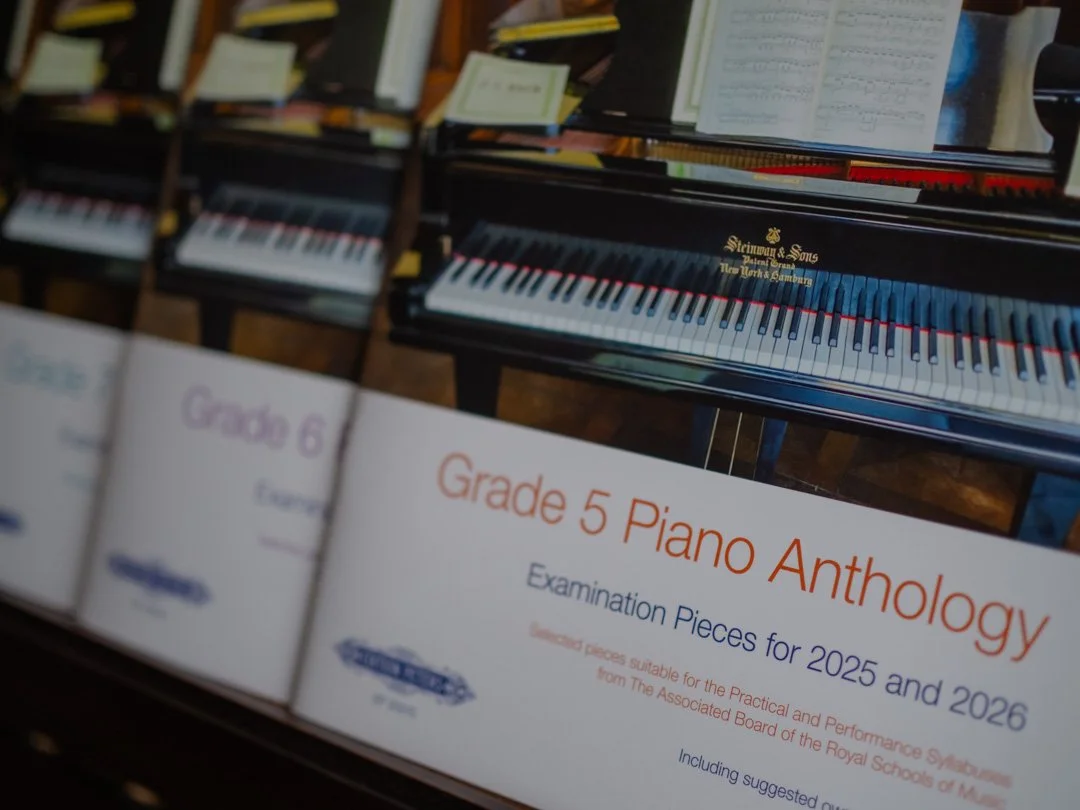

Does the new ABRSM Piano Syllabus 2027-28 successfully balance tradition, trend and musical development?