

ABRSM Piano Syllabus 2025-2026 | Exam Pieces Review
The new ABRSM Piano Syllabus seems to come round alarmingly quickly. It often feels that no sooner have I reviewed one, the next one drops through the letterbox. The launch of the latest syllabus seems to have been relatively low-key. In many respects, this is understandable as the focus is almost exclusively on a refreshed repertoire offer, rather than any changes to the supporting tests.
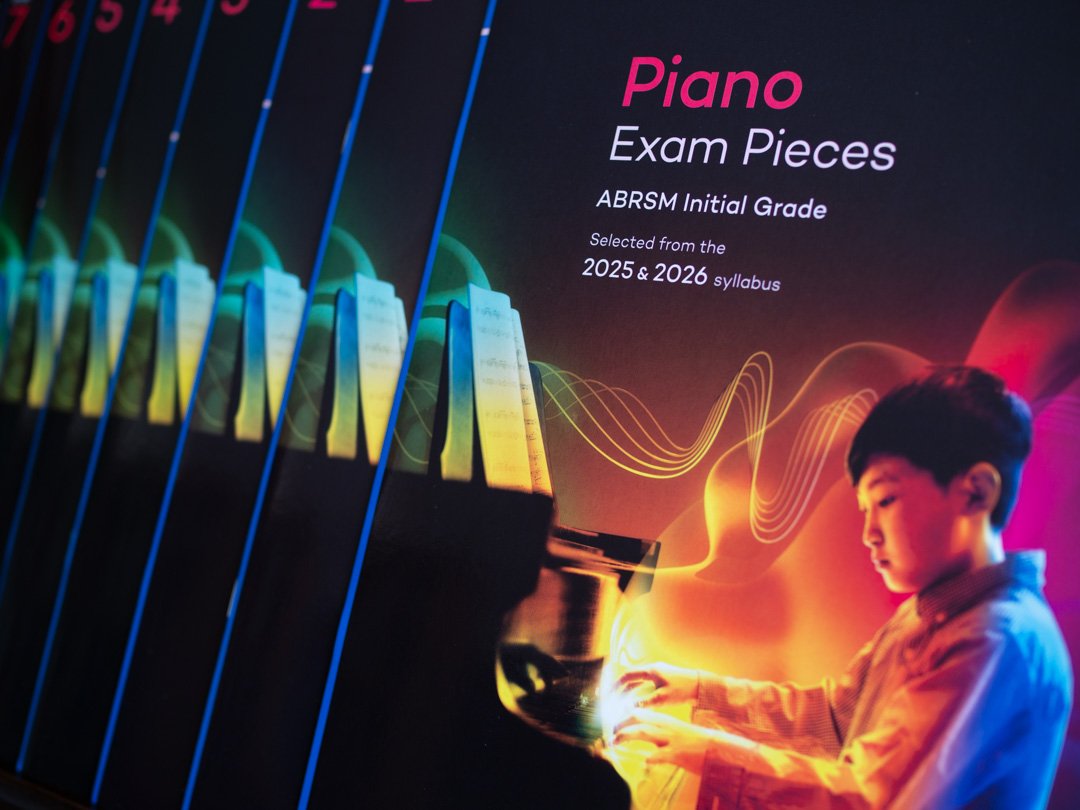
In their news item, ABRSM makes no bold claims about the new syllabus, merely highlighting its ‘wide-ranging repertoire’. In addition to the new repertoire for each of the nine grades, ABRSM have also:
Refreshed and released a new Prep Test book (which I wasn’t sent, but which Andrew Eales has reviewed here)
Expanded the repertoire lists for the ARSM
Made selected pieces available as digital downloads
Updated the Teaching Notes (which I also wasn’t sent)
Made available 400 professional recordings of the pieces which can be streamed from the major sites such as Spotify, Apple Music etc.
The new repertoire lists and books, along with the revised ARSM repertoire and new Prep Test can be used from 1st January 2025, and the current ABRSM Piano Syllabus 2023-24 is valid until 31st December 2025.
I feel like it’s easy for these reviews to get a bit stayed because what is there to say other than to explore the new repertoire, useful as that is. As you explore the new ABRSM Piano Syllabus 2025-26, perhaps it might challenge you to think about the aims and objectives of piano exams, both now and in the future, something I will discuss further below.
ABRSM Initial Grade
Initial Grade is still a relatively new addition to the ABRSM suite of graded exams. My view is that it is a far more useful assessment than the Prep Test, though I gather that this is still quite popular.
There is a good mix of pieces, all but one written or arranged by a living composer. Overall, they do tend to sit towards the popular/jazz end, which is fine, but then does this fit the ‘wide-ranging’ repertoire label which ABRSM claim? Piece titles such as ‘The Elephant Herd’, ‘In the Dead of Night’, and ‘The Wibbly Waltz’, suggest that ABRSM see this as a grade for children. I feel a little bit sad about that because other exam boards, Trinity in particular, have ensured that there is a wide enough range of pieces suitable for all ages.
That said, there are 36 further options on the alternative repertoire lists, always worth exploring at all grades. Overall, the music fits the level, but in style and genre, not as wide-ranging as it could be.
ABRSM Grades 1 and 2
For many students, their first exam experience will be at Grade 1, as I gather that many teachers still look unfavourably on pre-Grade 1 exams. Overall, there is a nice mixture of pieces covering a range of different styles and genres. The arrangements, many of which come from ABRSM’s own popular publications such as Piano Mix, are effective, and are balanced well with a selection of original pieces.
The pieces feel appropriate to the level - something which has been a criticism in the past - and as a first piano exam for many, the syllabus offers a solid introduction to the piano repertoire. Much of the same could be said of Grade 2 where, once again, there is a nice balance of styles.
ABRSM Grade 3
If by Grade 3 you’re expecting the number of traditional ‘classical’ pieces to increase in number, then you may be disappointed. There is, once again, a nice mixture of works, though again, edging more towards the pop/jazz/arrangement side again. There isn’t necessarily anything wrong with this, but you may remember me saying at the start of this review, that perhaps these refreshed repertoire lists challenge the purpose and assessment of piano exams going forward.
ABRSM Grade 4
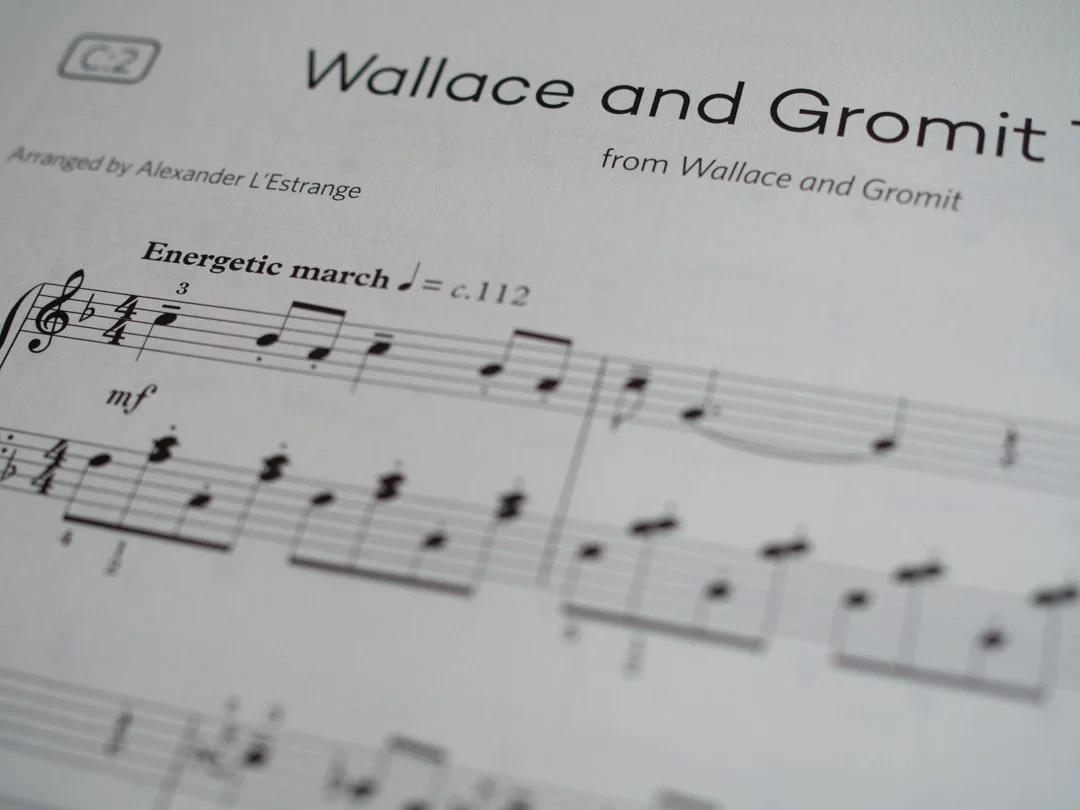
In contrast, Grade 4 feels a little more traditional in its outlook, with Benda, Cimarosa, Haydn, Grieg, and Ibert making appearances. I’m sure that Nott’s theme music to Wallace and Gromit will be a big hit with both students and teachers. One of the things I particularly liked at Grade 4 is that the challenge doesn’t always come from more notes and faster tempi - some of the pieces, such as McDonagh’s ‘Cloudscapes’ require a sensitivity of touch which is nonetheless challenging.
ABRSM Grade 5
Is this where it starts to get serious? Well, yes and no.
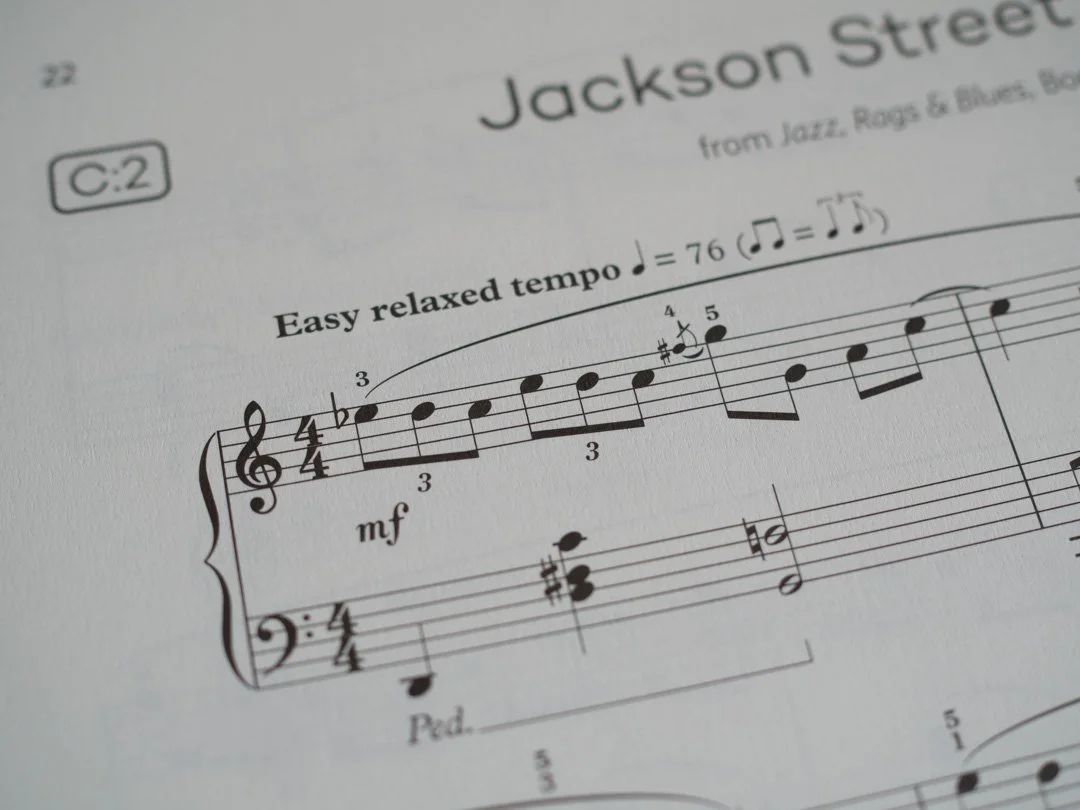
I’ve been teaching long enough now to see the same pieces reappearing for the second or third time, Martha Mier’s ‘Jackson Street Blues’ a good example. The Burgmuller and Clementi also feature fairly regularly across different exam boards, but it is also pleasing to see pieces being drawn from collections published fairly recently, such as Naoko Ikeda’s The Graded Collection. Overall, I think the balance here is good, particularly when taking into account the pieces on the alternative lists.
ABRSM Grade 6
Grade 6 feels fairly safe, opening with Bach’s ‘Invention No. 14 in B flat’; however, if some of the more modern composers are not your thing, then the inclusion of Alexis Ffrench’s ‘Last Song’ might leave you feeling queasy. How many teachers will groan at the inclusion of a work such as this? This is, again, where I think this syllabus challenges us to think more deeply about the purpose of assessment when it comes to learning the piano.
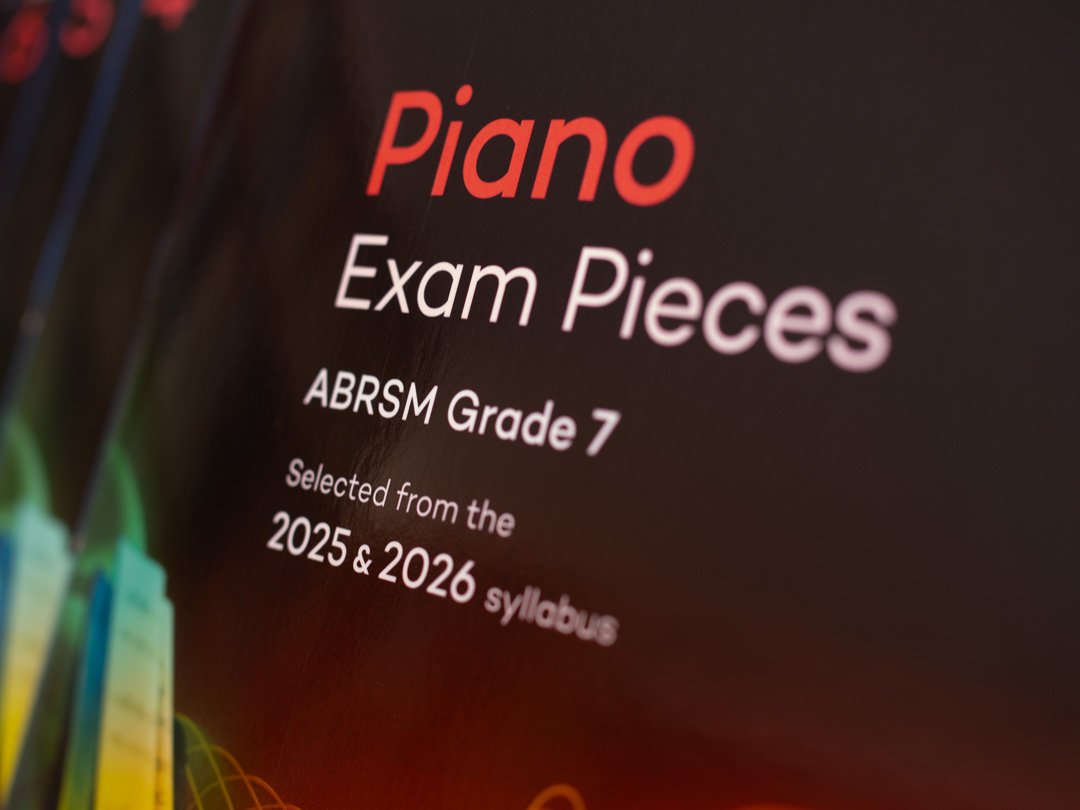
ABRSM Grade 7
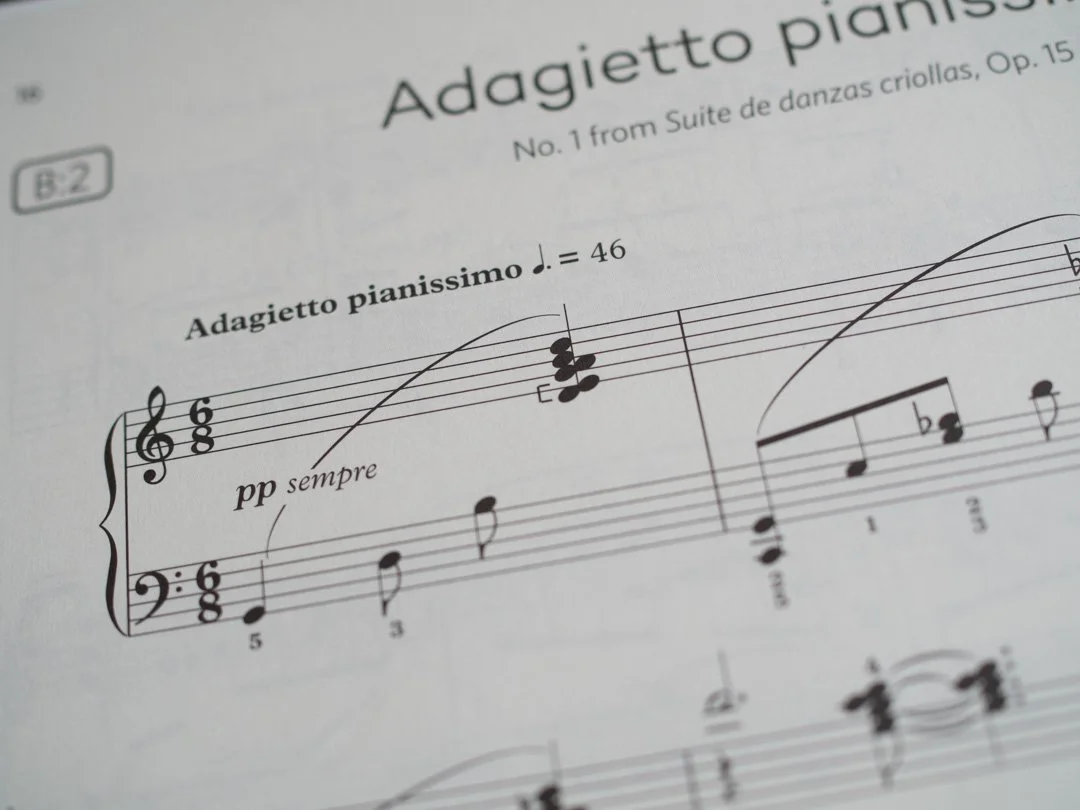
This is the first grade where I began to wonder about the matching of level to grade. The more I explored the repertoire in the book, the more I started to think that some of the pieces were probably on the easy side, Ginastera’s ‘Adagietto pianissimo’ being a good example.
Don’t get me wrong, there is a nice mixture, but if by now you were expecting some Chopin, Schubert, or Mozart, then I think the selection here might need to come with a health warning.
ABRSM Grade 8
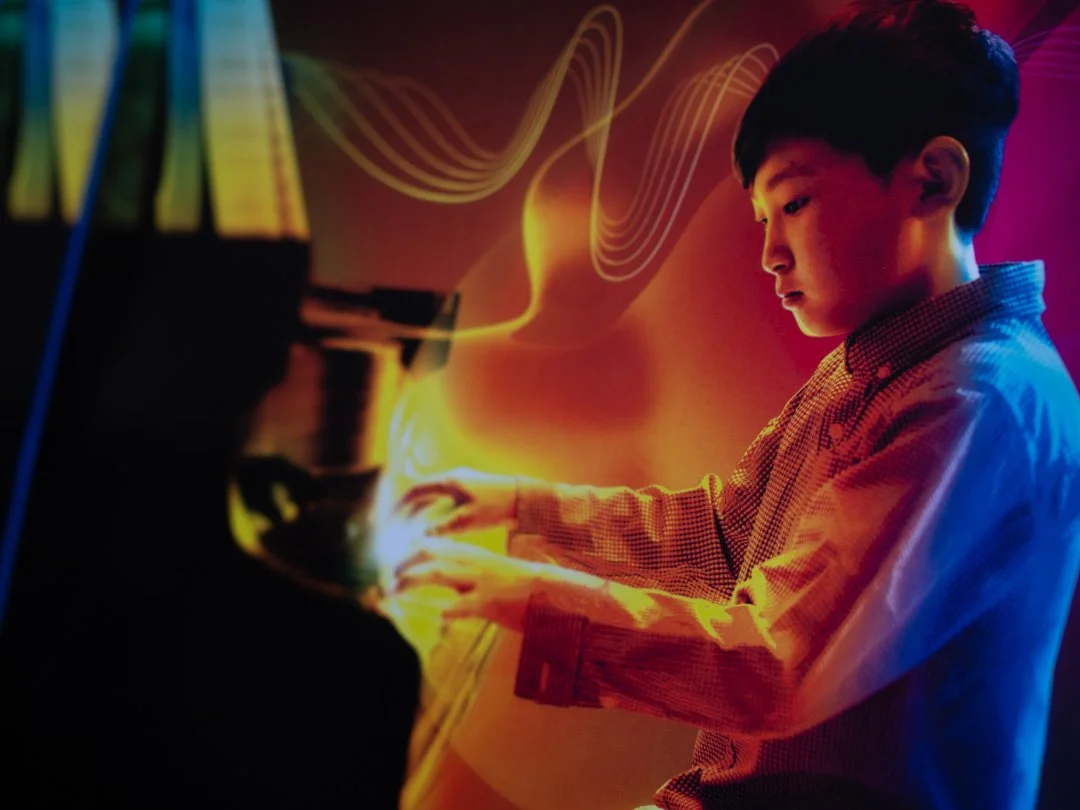
It was perhaps at Grade 8 where this syllabus began to unravel. I will be blunt in saying that there are pieces here which I do not consider Grade 8 standard, Debussy’s ‘La fille aux cheveux de lin’ being a case in point. If you’re looking for some Bach, Beethoven, Handel, Haydn, Schumann, or Rachmaninov, then you will need to look to the alternative repertoire list. Mozart, Scarlatti, Debussy, and Liszt feature in the book, but I can’t remember the last time Bach didn’t find a place here.
Summary
There is no denying that this is probably the most diverse ABRSM piano syllabus ever, and when you also factor in the works on the alternative lists, that diversity is even greater. If you dig hard enough, I think there’s something for everyone here. That said, with this diversity comes difficulties.
With such a huge range of musical styles, notably arrangements of pop songs, I think it becomes much harder to fit pieces neatly into a particular grade. There are therefore some grades where there is quite a wide breadth of difficulty levels, and in that sense, does it offer a fair comparison between candidates?
I think that the syllabus and the diversity of music included raises questions about music exams more generally. What is the purpose of working towards a piano exam? What are we actually trying to examine? How do we apply that when the assessment criteria is expected to include such huge differences in style and genre? Can we meaningfully assess an arrangement of an Adele song and a Bach prelude and fugue against the same criteria?
ABRSM would inevitably say yes, but talking to other teachers, and reading the mark sheets which come back, everything, regardless of genre, is still being assessed against what we might refer to as ‘classical criteria’. Garreth Brooke has written an excellent post about this, one which ABRSM have responded to. I also encourage you to read Andrew Eales’ excellent review too. We often agree, but not always, and I think a second perspective is always healthy.
I might summarise this syllabus by saying ‘out with the old, in with the new’, but should we really be throwing out the baby with the bath water?
By broadening the music in the syllabus - much of which will undoubtedly appeal to candidates, possibly more than teachers - are we saying that the entire body of ‘classical’ work is no longer fit for purpose?
But then, what is the purpose anyway?
These are, of course, difficult questions, but they present challenges which exam boards need to discuss, and inevitably, meet. My sense is that something, somewhere, needs to give.
Do we need to reassess the criteria by which we assess candidates so that it recognises the huge differences and expectations between styles? Do we need to rebalance the music in the syllabus? If we continue in the current direction, will we entirely miss the point of taking an exam in the first place - whatever that point is?
There was much to admire in this syllabus, but huge challenges for the future. I wasn’t disappointed, but I wasn’t wowed by it.
Perhaps I’m sitting on the fence, but at a time when ABRSM is still revered by the teaching profession, is ambivalence enough?
ABRSM Piano Exam Pieces, Initial Grade to Grade 8, was published in 2024 by ABRSM.
I was sent a review copy of these books free of charge; however, this review is my honest opinion as a teacher. You can find my Reviews Policy here.
If this entry in The Notebook has encouraged or supported you, you are warmly invited to buy me a virtual coffee on Ko-Fi. Support starts from just £3 - whether as a simple one-off gift or a monthly subscription - helping this freely offered work to continue and quietly grow.

Inevitably, with the popularity of the original Encore series, expectations are high, so does Encore Plus live up to its predecessor?