

Why I Use the Hal Leonard Adult Piano Method with Adult Beginners
Teaching adult pianists brings me a huge amount of joy. The number of adult learners has increased significantly since I began teaching in 2001. Each of them has travelled their own musical journey through life, and it is a pleasure to share some of that with them. 65% of my piano students are currently adults - in that number, they represent a whole range of ability levels from complete beginners to students working at diploma level.
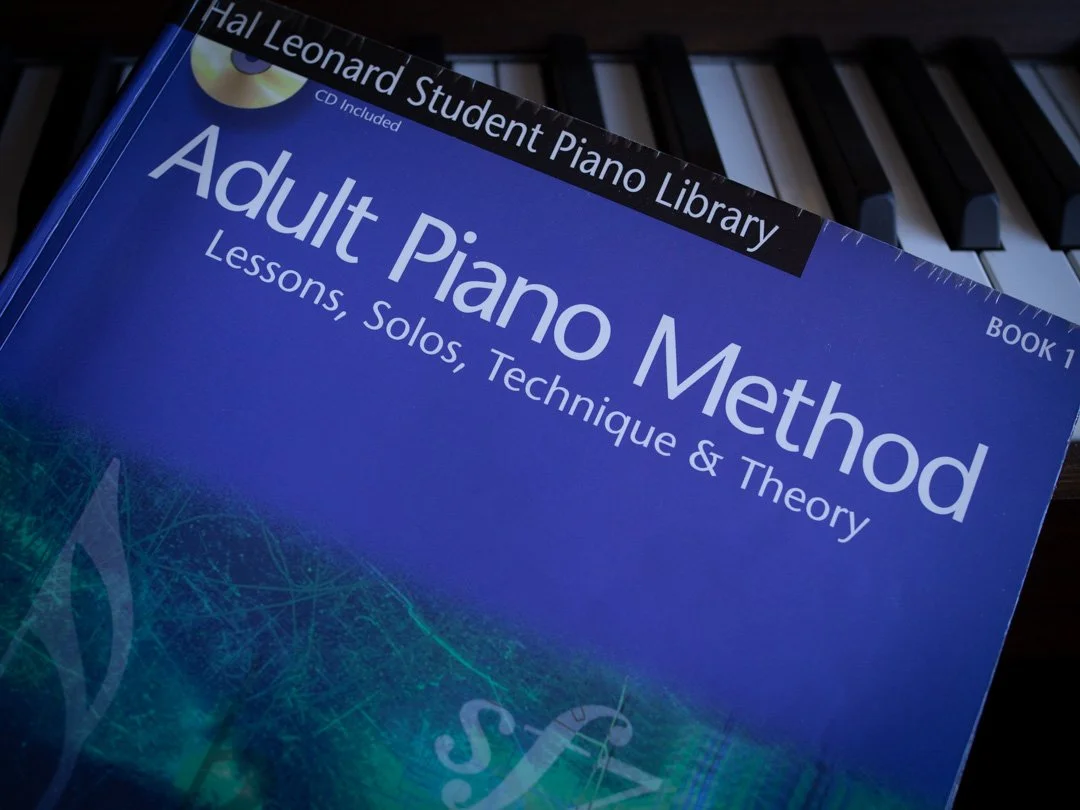
Over the years, I’ve tried a range of different piano tutor books with adult beginners, and in this post, I wanted to share why the Hal Leonard Adult Piano Method has become my preferred tutor book for this age group, and why it feels aligned with my own teaching philosophy and approach.
A few caveats:
Each student is different, and this book won’t suit everyone.
There are many excellent adult method books available, and I encourage you to explore them in Andrew Eales’ post here.
Every method book - and the Hal Leonard Adult Piano Method is no exception - needs to be supplemented with additional repertoire and materials.
No method book is perfect, and neither is this one.
A Connected Approach
One of the most important reasons I use the Hal Leonard Adult Piano Method is that it gets students playing music from the very first lesson. In the early stages, it focuses on off-stave notation which encourages students to recognise patterns and sequences. It is so satisfying for adults to come to their first lesson, and in minutes, to be playing actual music.
I think you can guess that this is a long way from my approach to teaching.
The book also encourages students to play with both hands from the very beginning, firstly hands separately, then together. That said, the progression feels steady and never rushed. New concepts are introduced clearly and logically. This enables adult piano learners to progress without feeling overwhelmed.
I particularly like the way the material is presented in a way which connects sound to symbol, for example, there are exercises to recognise skips, steps and repeats, both visually and by ear. The off-stave notation progresses seamlessly to on-stave notation, again with emphasis placed on recognising patterns as well as reading notation. Many teachers now use landmark notes rather than mnemonics to teach note-reading, and the Hal Leonard Adult Piano Method introduces bass F and treble G in advance of middle C. By the end of the book, students are using the landmark Cs to play across a four-octave range.
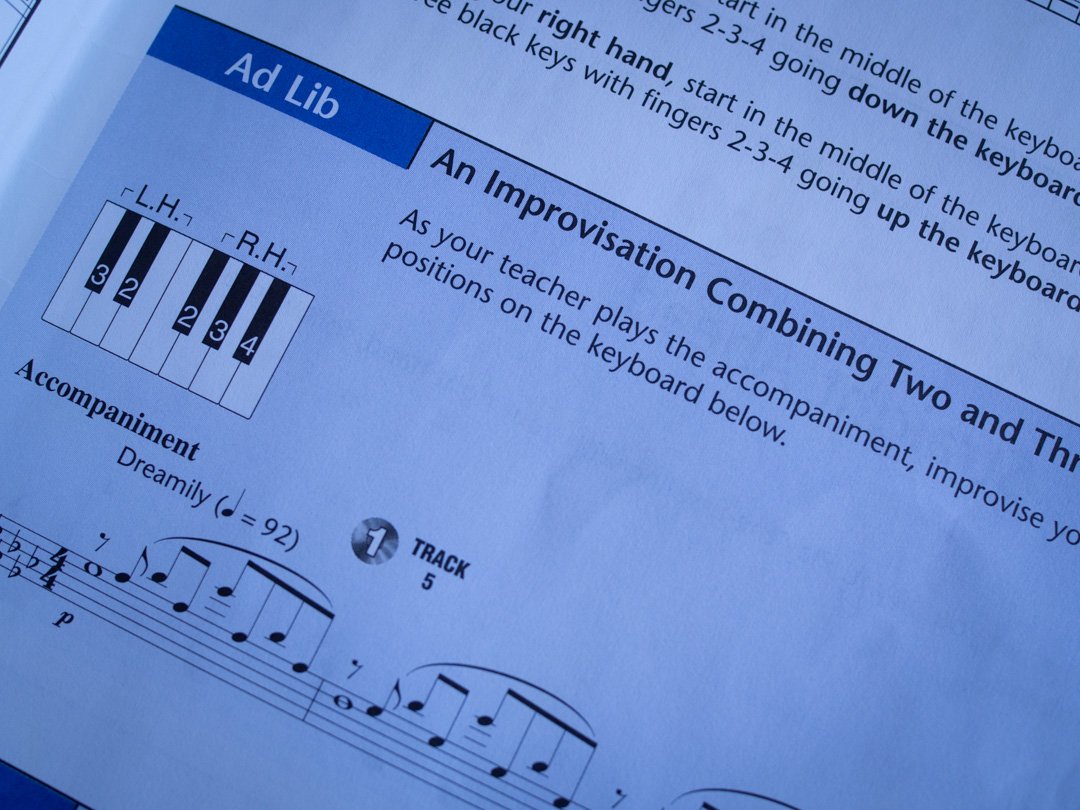
Technique is also covered, for example, playing two-note slurs, staccato, accents, and passing legato from one hand to the other. Opportunities for further listening and improvisation are included - I particularly like the way the book introduces the concept of transposition quite early on too.
Music That Adults Actually Enjoy Playing
One of the challenges when teaching adult learners is that they want to play the piano, but don’t always know what they want to play. One of the reasons I like the Hal Leonard Adult Piano Method is that it presents a whole range of different styles of music, including classical favourites such as ‘Spring’ from Vivaldi’s The Four Seasons, and folk-songs such as ‘Scarborough Fair’. Pop, jazz and blues styles are all included, and as I mentioned above, there is plenty of opportunity to improvise. It allows adult students to try out a wide range of different musical styles to see what inspires them.
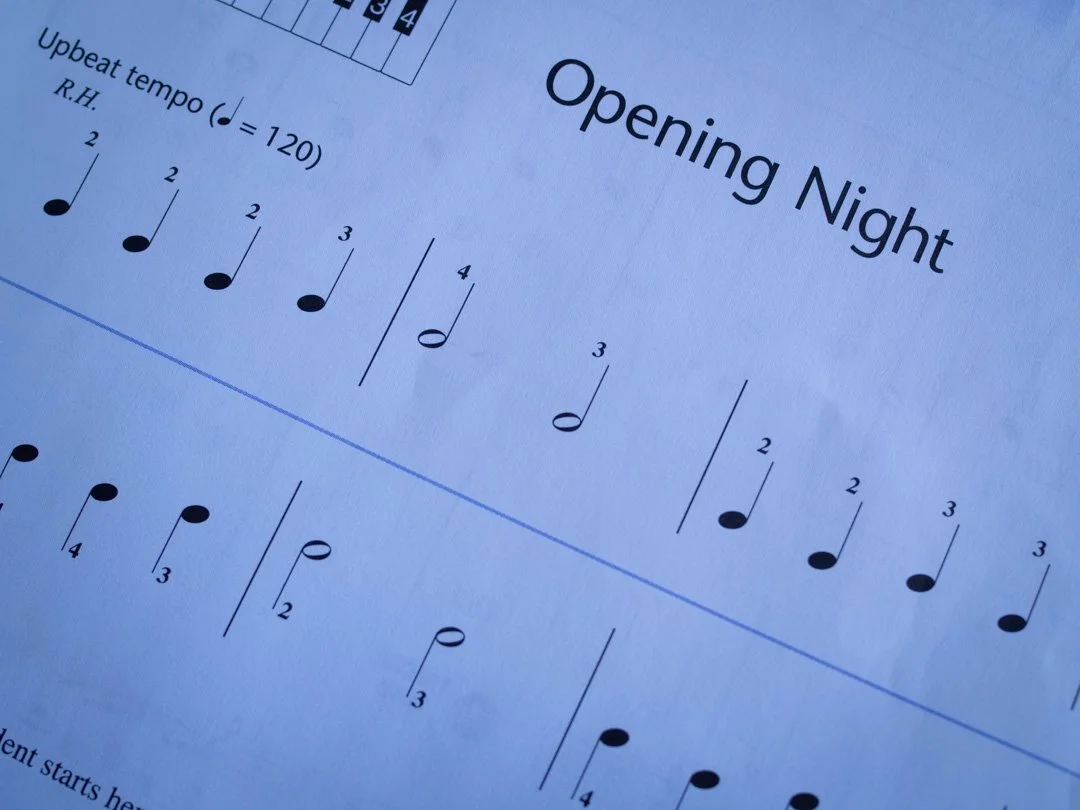
The very early pieces are introduced with a teacher duet part which I find hugely valuable in enabling adults to develop ensemble-playing skills - including a strong sense of pulse and rhythm - from the beginning. Not only this, but the teacher duet parts also help to make what is a very simple piece on just 2-3 notes, feel satisfying. The teacher duet parts are also available as recordings, in my copy on CD, but in later additions as a digital download. There are recordings of the pieces as well as backing tracks which adult students find very useful when they’re practising independently at home.
I want to make particular mention of chords, something which is introduced very early in Book 1, and developed well in Book 2. As many adults want to play music which is familiar to them, often in popular styles, a good grounding in chords, inversions and chord sequences is valuable. In Book 2, there are even opportunities for adults to play a chord sequence as an accompaniment whilst the teacher plays a melody above.
A Flexible Foundation for Teaching
The David Barton Music tagline is ‘Sharing Your Musical Journey’, and I think that the Hal Leonard Adult Piano Method sits well with that philosophy. Whilst the book offers, of course, a flexible framework rather than a rigid course, it gives adult learners at the start of their piano journey a clear sense of progression, with a firm emphasis on exploration and creativity.
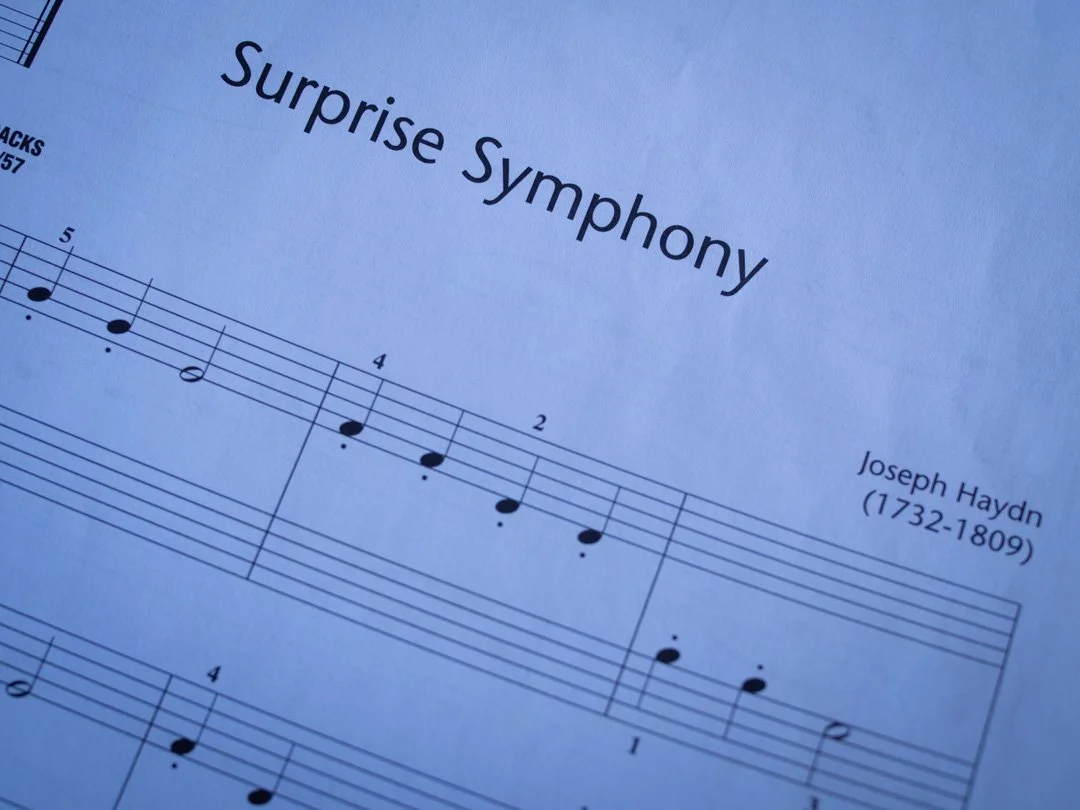
The book exposes them to a range of musical styles and concepts, and these are presented in a way which connects theory to practice - sound to symbol. What I like about the book is that it seeks to develop musical skills holistically. Articulation and dynamics are introduced from the beginning, not when a student has reached a certain level of musical literacy. I must make special mention of the pedal which is also introduced in Book 1 as a tool for musical effect, with specific pedalling techniques developed in Book 2.
No Method Book Is Perfect
As I mentioned in my caveats above, no method book is perfect. The Hal Leonard Adult Piano Method won’t suit every student, but I do think it provides a flexible framework which can be adapted by teachers. Almost all the material presented benefits from further explanation and exploration, but I think that’s a good thing. Music doesn’t exist in isolation, and I’ve never thought it healthy that a learner’s journey focuses only on a single method and approach.
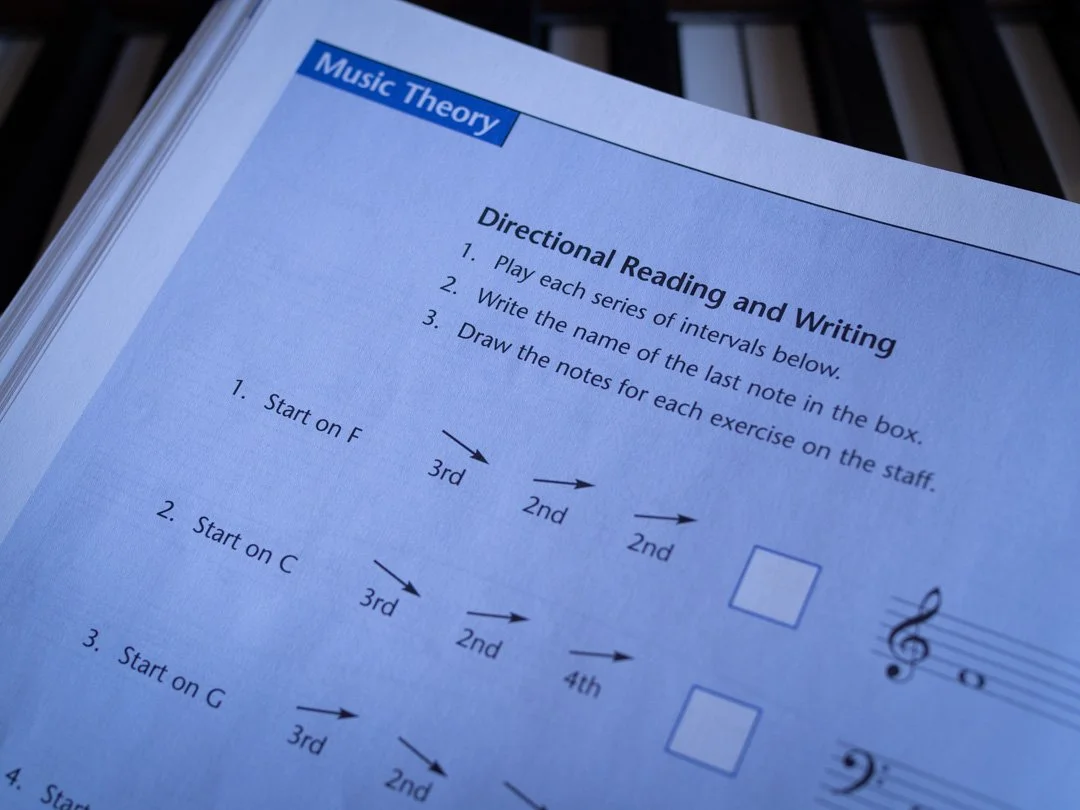
It is also worth noting that whilst I use Book 1 with many adult learners, I have more reservations with Book 2, especially with the pace at which progression is presented.
Conclusion
After 25 years’ teaching adult pianists, this is one method book which has served me - and I hope my students - well. With all the caveats - notably that other books, methods and approaches are available - I have hugely valued the holistic and musical approach offered in the Hal Leonard Adult Piano Method.
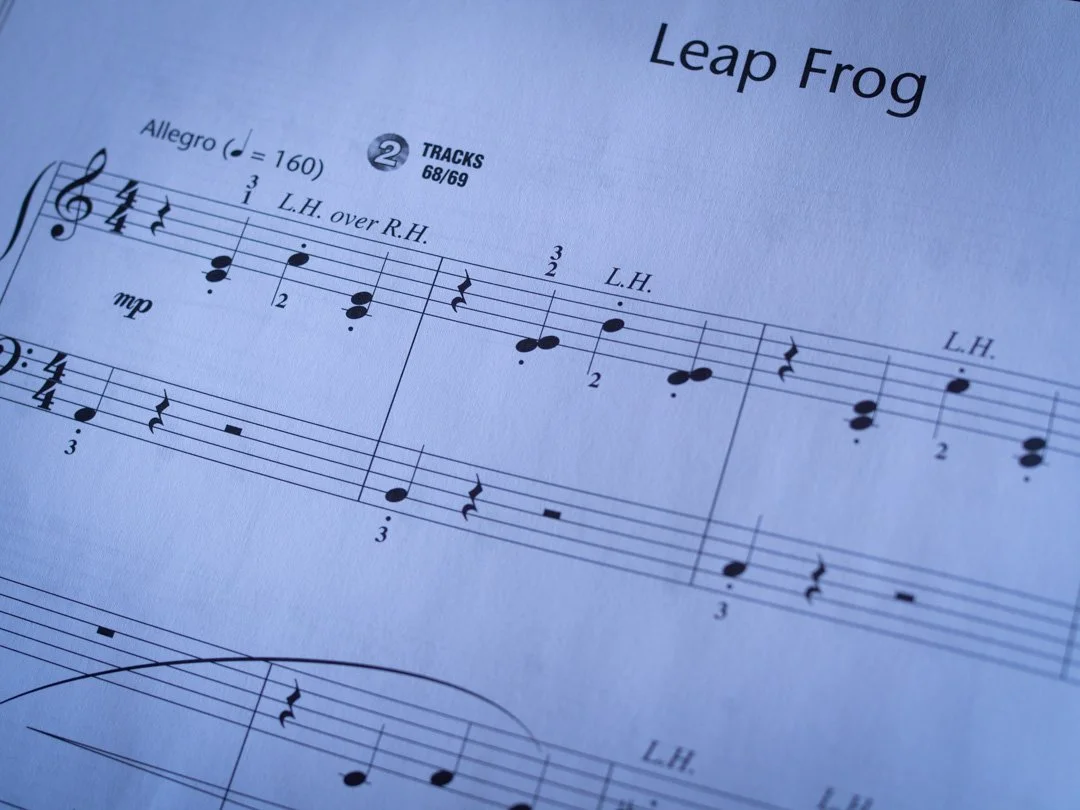
Like any book, it isn’t perfect and it won’t suit every student and teacher, but my well-used and slightly dog-eared copy with its, what seem now, archaic CDs, has brought a huge amount of pleasure to adult learners, and I’m sure will continue to do so in the years to come.
If this entry in The Notebook has encouraged or supported you, you are warmly invited to buy me a virtual coffee on Ko-Fi. Support starts from just £3 - whether as a simple one-off gift or a monthly subscription - helping this freely offered work to continue and quietly grow.


I had no idea that one lesson in 2001 would become a career spanning a quarter of a century. So what have my students taught me over the past 25 years?