

Every Piano Has Its Own Voice: 10 Tips for Choosing an Acoustic Piano
Our instruments are not only tools for the job - for playing and teaching - but they became part of our identity as musicians. They become part of our homes - part of the spaces in which we teach. Understandably, many musicians become attached to their instruments.
The time often comes when we have to part with an instrument to make way for a new one. Sometimes, our previous instrument no longer serves us well, sometimes the work needed to repair and maintain it is too great, and sometimes we simply seek an upgrade.
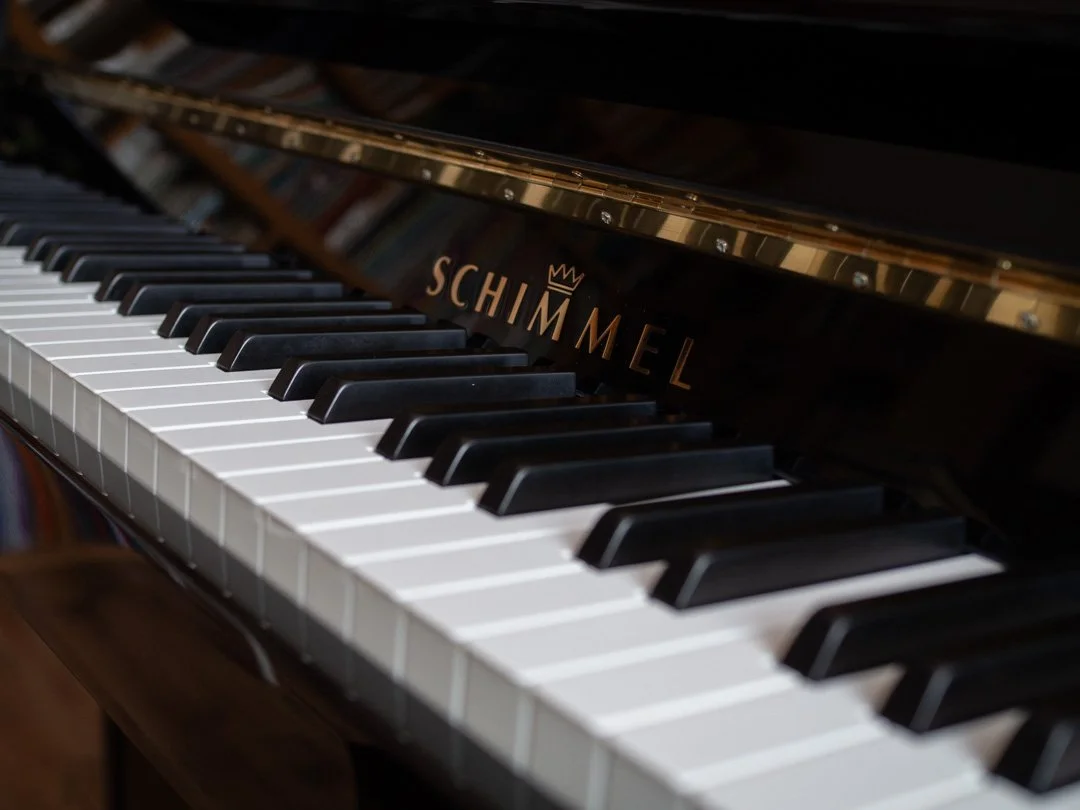
We recently went on a journey to choose a new acoustic piano. Our old piano - a Kemble Cambridge upright from 1992/3 - had served us well for 14 years. It had stood up remarkably well to the extensive use it got on an almost daily basis - something which other piano teachers will be well aware of.
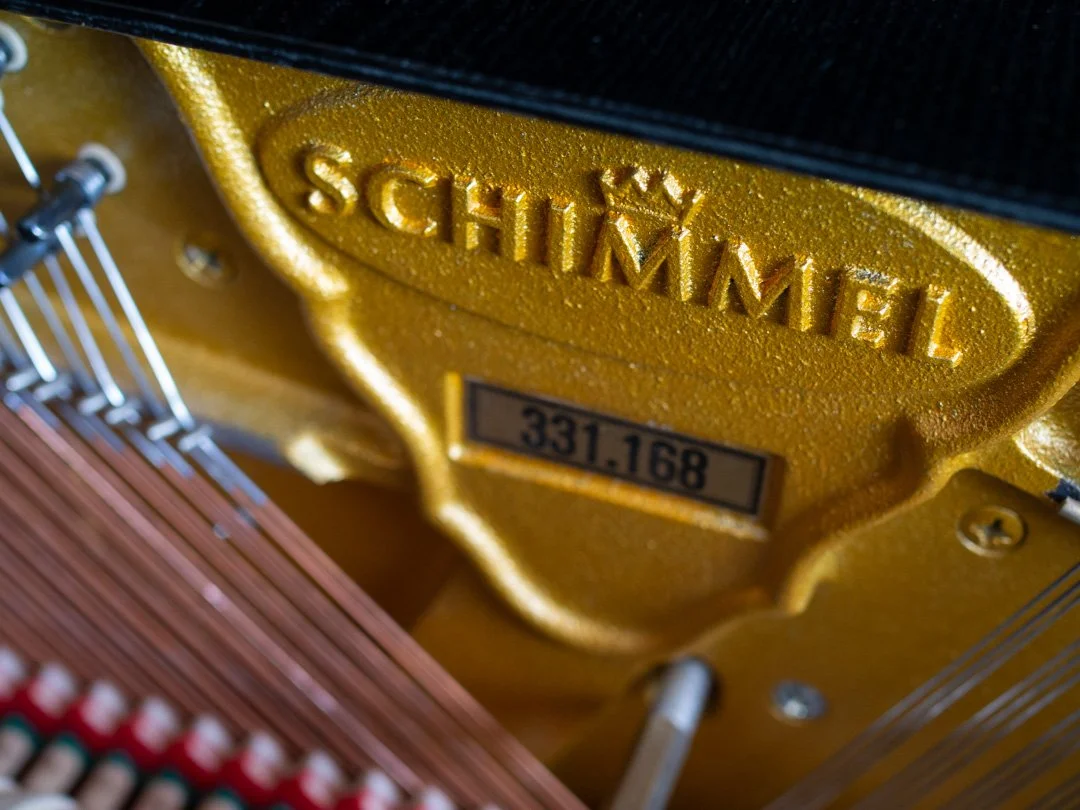
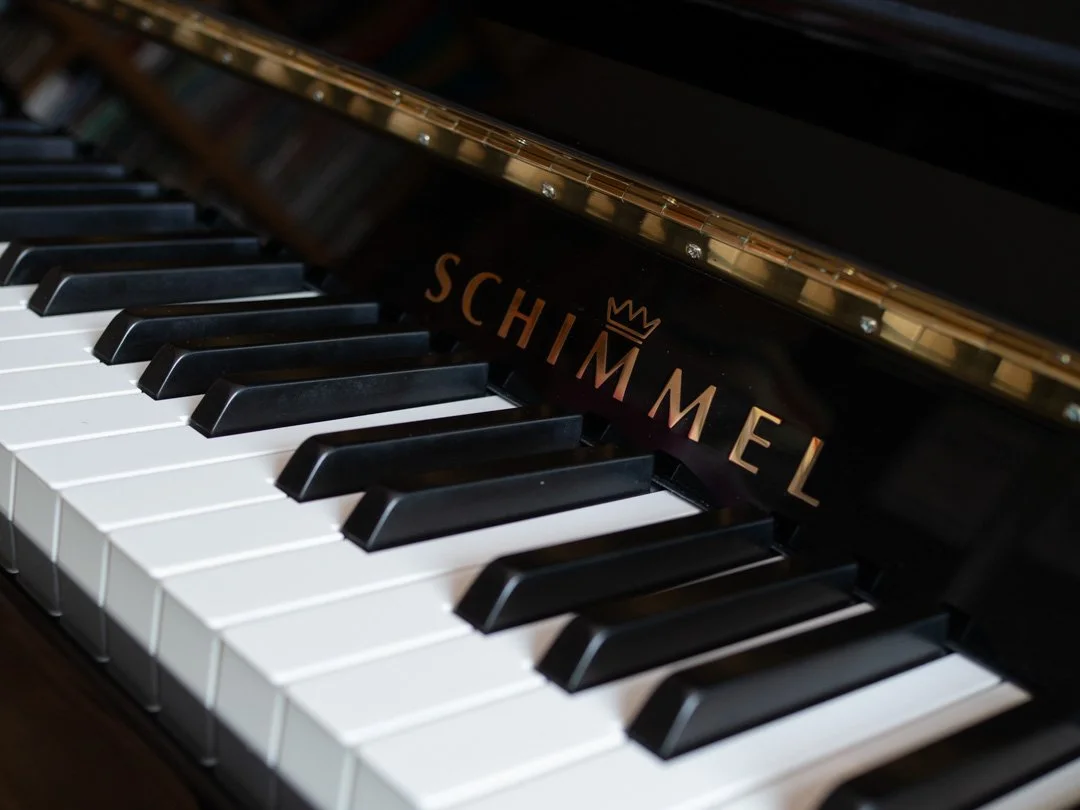
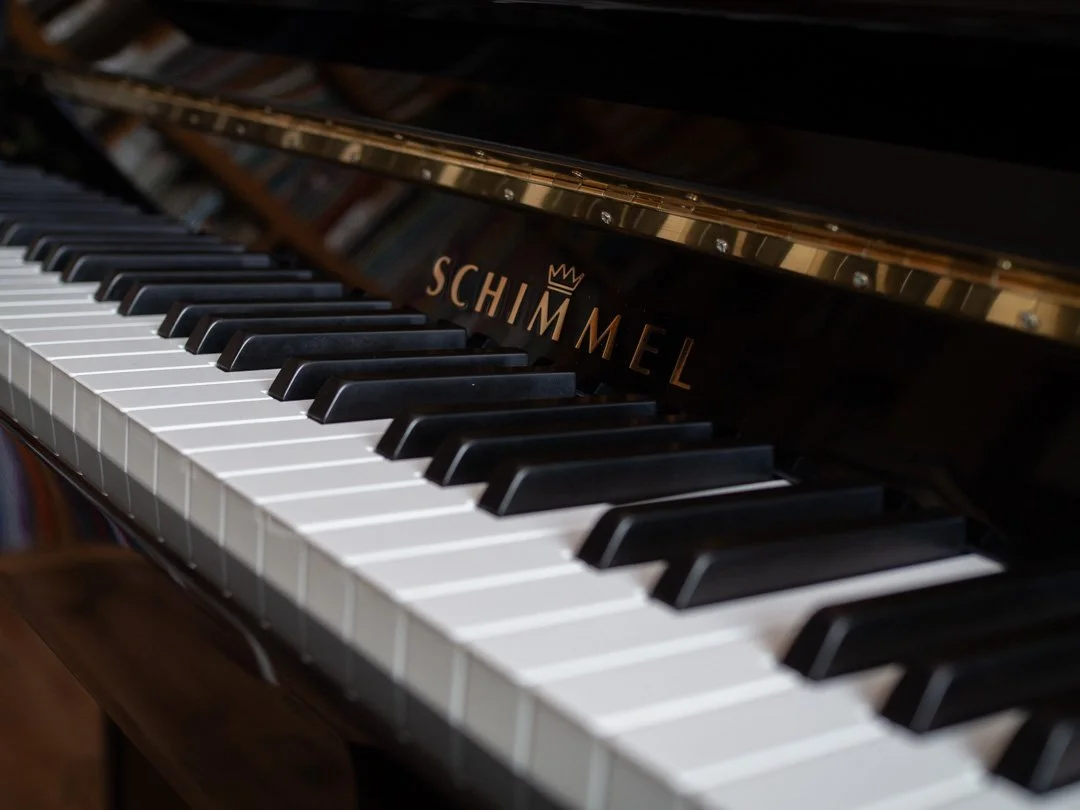
It’s quite a daunting task choosing a new piano. It sounds straightforward, but there are a huge number of considerations. Having just been on that journey, coming out the other side with a beautiful 1999 Schimmel 116S upright, I thought it might be useful to share some of my experiences.
1. Decide What You Want from a Piano
Whilst our Kemble had served myself and my students well, it was well over 30 years old. Like cars, they begin to show their age. But as a pianist, what I want from a piano now is different to that which I may have sought 14 years ago - and that’s a positive.
Before you go to look, think about what you want from a new piano. You might think about your musical goals, and your preferences for tone and touch. We have to think about the space we have available and how it will look in the room in which it is to be accommodated.
On my list was more resistance in the pedal, greater clarity in the bass, and a warmer, richer tone. It’s true, some of these could have been adjusted on our existing piano, but to be honest, I’d outgrown it anyway.
2. Set a Realistic Budget Before You Start Looking
It seems obvious, but set a budget before you go to look at pianos. Prices range from under £1,000 to over £100,000. Having a realistic budget will narrow down your choice, and to be honest, I found that a good thing. Of course, we can dream, but ultimately, we have to balance aspirations with practicality. As it happened, the one I chose came in around 20% under - a reminder that you don’t have to spend your entire budget!
Think also about money which will eventually be required for tuning, but also whether there are delivery costs involved. Stools are normally sold separately, so that might be another financial consideration.
It’s worth remembering that the cheapest instruments don’t always offer the best value. I was looking for a piano which would likely outlive me, and when you factor those timescales in, the cost can seem much modest when considered over the longer term.
3. Don’t Overlook Second-Hand Pianos
We’ve always had second-hand pianos, and I’ll admit that in my mind, I felt that my ‘forever’ instrument would be a new one. But as I found out quite quickly, quality older instruments offer exceptional value for money.
Obviously, you need to be aware of an instrument’s age and condition, and preferably its maintenance history, but ultimately, whilst there were new pianos I liked, it was the second-hand one which I fell in love with. I also loved the idea that it came with its own story, and somehow, that made it far more meaningful.
4. Choose a Piano Retailer You Can Trust
I think this is really important. There aren’t huge numbers of piano retailers and showrooms around these days, so I think you need to be prepared to travel. It’s definitely worth it though. Finding a piano retailer with knowledgeable staff and a wide selection of instruments to try is important.
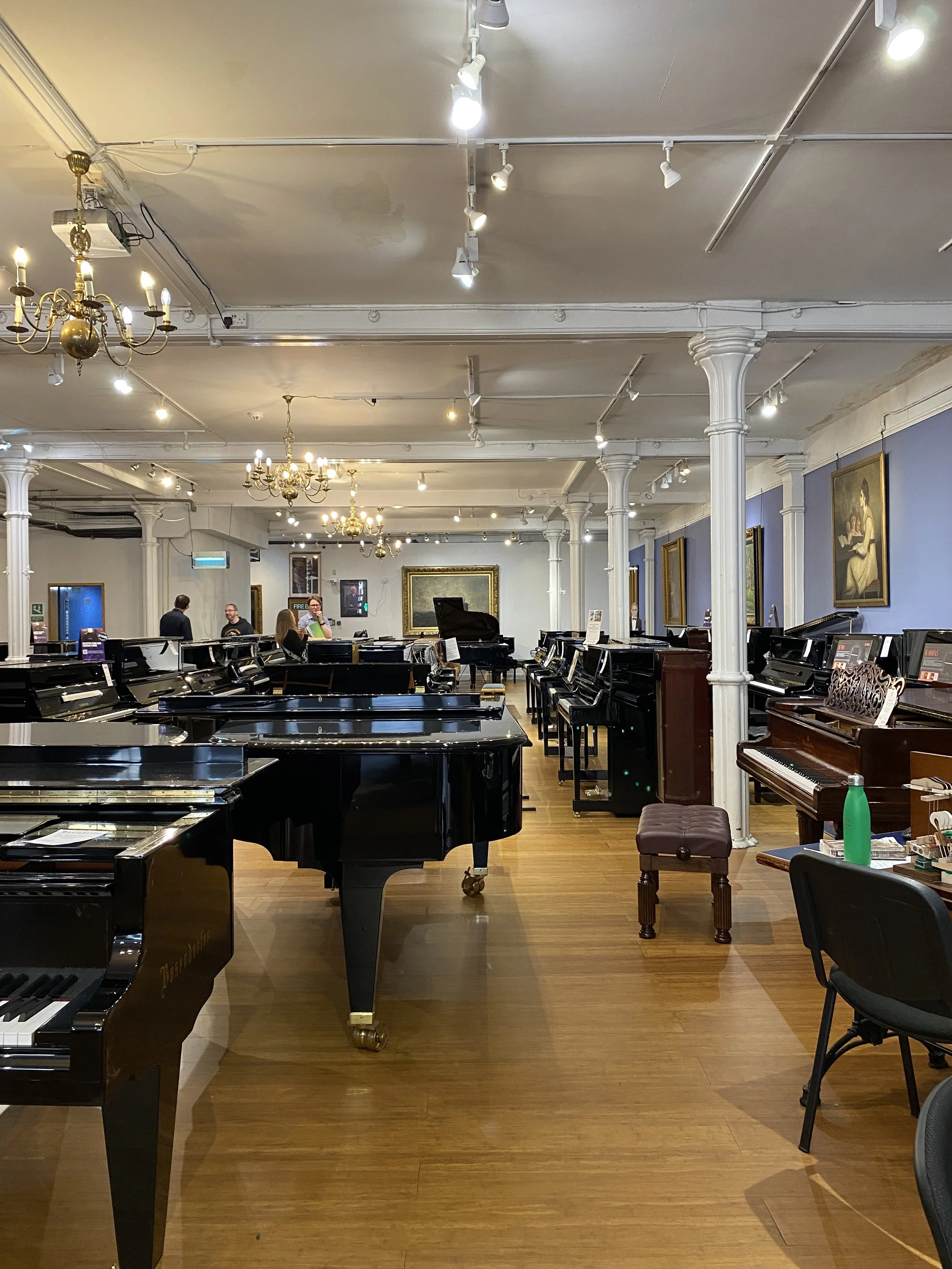
We went to Forsyths in Manchester and the gentle encouragement, guidance and expert advice - offered in a pressure-free environment - was just what was needed. There are, of course, many others around too. It’s worth getting in touch with them before you go too - I was so glad I did this, as they already had an idea of what I might be looking for.
5. Go with an Open Mind
I mentioned above about my initial preference for a new piano - and then ending up with a second-hand one - so I do think you need to go with an open mind. Of course, you might have preferences for particular makes, models and styles, and that’s good - if you like, it offers you a base from which to expand.
It’s easy though to become fixated on a particular piano manufacturer, but you might be surprised - each instrument offers something different and sometimes unexpected.
6. Take Music You Know Well and Play a Variety of Styles
It goes without saying really, to take music with you which you feel comfortable playing. I would encourage you to take a variety of different styles, genres and tempi so you can get a feel for the way each piano responds. Lyrical pieces are just as important as those fast, technically-demanding ones.
I would also say be prepared to play the same pieces on different instruments. That’s very much how I got a feel for what I liked and disliked about different instruments. Ultimately, I think I chose the piano which gave something back, and I don’t think I’d have found that without playing the same pieces on different instruments.
7. Remember That Every Piano Feels and Sounds Different
This wasn’t something I’d considered, but it’s worth noting that in many cases, each piano will sound and feel different - even if it’s the same make and model. The touch, tone colour, action weight, and dynamic response, was noticeably variable, even on instruments which were the same make and model.
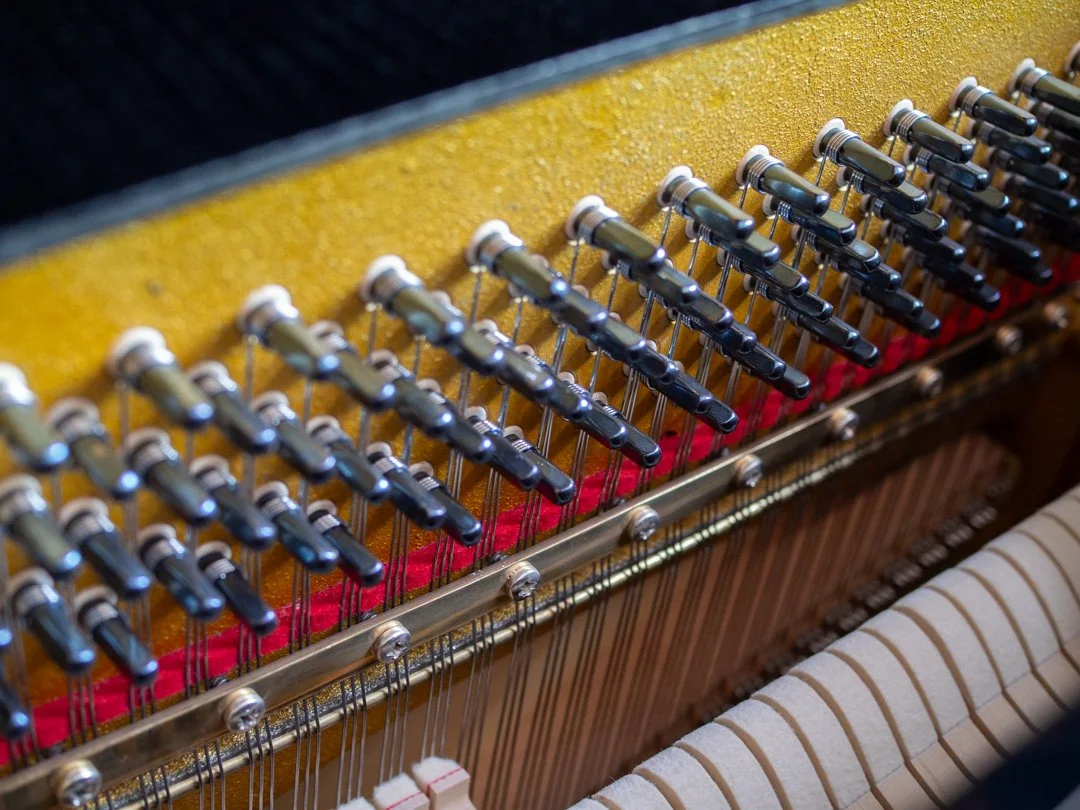
This is understandable, particularly with those instruments where most of the parts are handmade and crafted individually. Make sure that the piano you choose is the piano you will receive - if you’re delivered a different instrument, even if it’s the same make and model, it may sound different.
8. Be Honest About What You Like - and Don’t Like
None of us want to be critical, but pianos - and pianists - are all different, so what suits someone else, might not suit us. Pianos, like all musical instruments, so often produce an emotional response in us, and that’s important.
Be honest about what you like and dislike in each instrument - assuming you’ve gone to a retailer with helpful and knowledgeable staff, your thoughts on each instrument will help them to guide you.
For context, the instruments I went expecting to like - well, I didn’t like them - but I would never have known that without going and trying different pianos, listening carefully, and thinking about what each offered, or didn’t offer me.
9. Imagine How the Piano Will Sound in Your Space
Imaging how a piano will sound in your own home - or in your teaching studio - is not easy. In fact, I found this one of the most challenging parts of choosing a new instrument. My teaching studio is relatively small - a converted garage - and too big a piano could easily have become overpowering.
And to be honest, as I found, it’s not all about volume - it’s about the overall tone too. Some pianos I tried had a very ‘boomy’ bass register which I think would have felt too powerful in my teaching studio, even if the overall volume was manageable
Piano showrooms are generally very different spaces to our own homes and teaching studios, so some imagination is needed. Think about how your existing instrument responds in space because that will help too.
10. Take Your Time and Play Plenty of Pianos
Your journey towards a new piano might be long or short, but it’s not a decision to be rushed. It’s something I’d been thinking about and researching for over a year before we actually went to the shop to look. Several hours later, the decision was made.
Others may wish to visit multiple showrooms and try many different instruments before choosing. As I mentioned above, your budget will inevitably limit the choice - in all honesty, when it came down to it, there weren’t that many instruments to choose from. Some might see that as a negative, but I found it useful as it was much easier to then consider the differences between them.
If you’re looking at second-hand instruments, then you may need to be prepared to make a relatively quick decision.
Trust your instincts - I knew when I found the right one, or maybe it chose me. Take you time and don’t rush into making an emotional purchase (though again, I think a budget helps enormously with that). Enjoy the journey, but be realistic - it’s possible to look forever in the hope of finding the ‘one’ - decision fatigue can easily set in.
If this entry in The Notebook has encouraged or supported you, you are warmly invited to buy me a virtual coffee on Ko-Fi. Support starts from just £3 - whether as a simple one-off gift or a monthly subscription - helping this freely offered work to continue and quietly grow.


I had no idea that one lesson in 2001 would become a career spanning a quarter of a century. So what have my students taught me over the past 25 years?