

LCM Piano Syllabus 2021-24 | Exam Pieces Review
LCM claim this is their ‘most varied’ syllabus to date:
‘it features remarkable pieces by composers, past and present, from over 37 different countries, and showcases an exciting and diverse mix of musical styles, including classical favourites and dynamic new discoveries.’
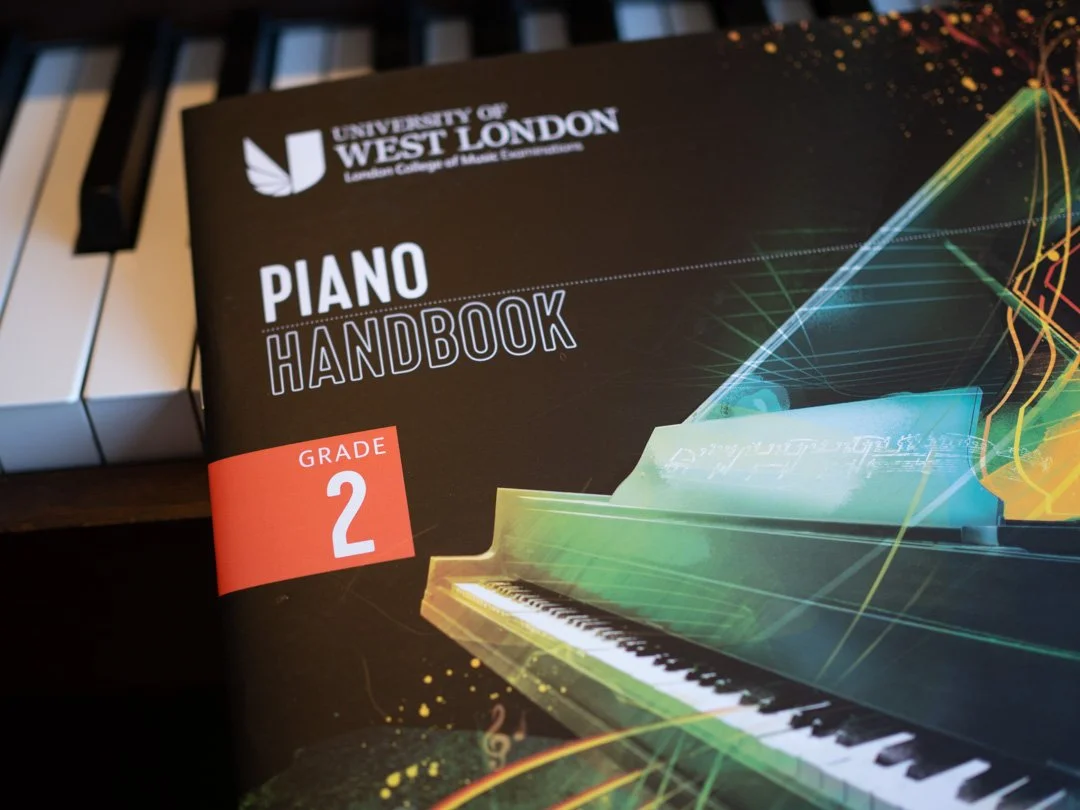
LCM also say that in response to feedback from teachers and candidates:
A greater number of ‘iconic’ film scores and popular contemporary works have been included
Further romantic era pieces have been included
Practice and performance tips have been included alongside notes on composers
There have also been some small changes to the wider syllabus and handbooks:
Discussion questions have been revised and tailored towards pianists
New specimen aural and sight-reading tests are included in the handbooks
Handbooks now include a quick-reference guide to sight-reading parameters
That’s a lot to live up to!
In this post, I will cover the repertoire selection at each grade in turn, and my top three picks (generally from the handbooks) at each grade.
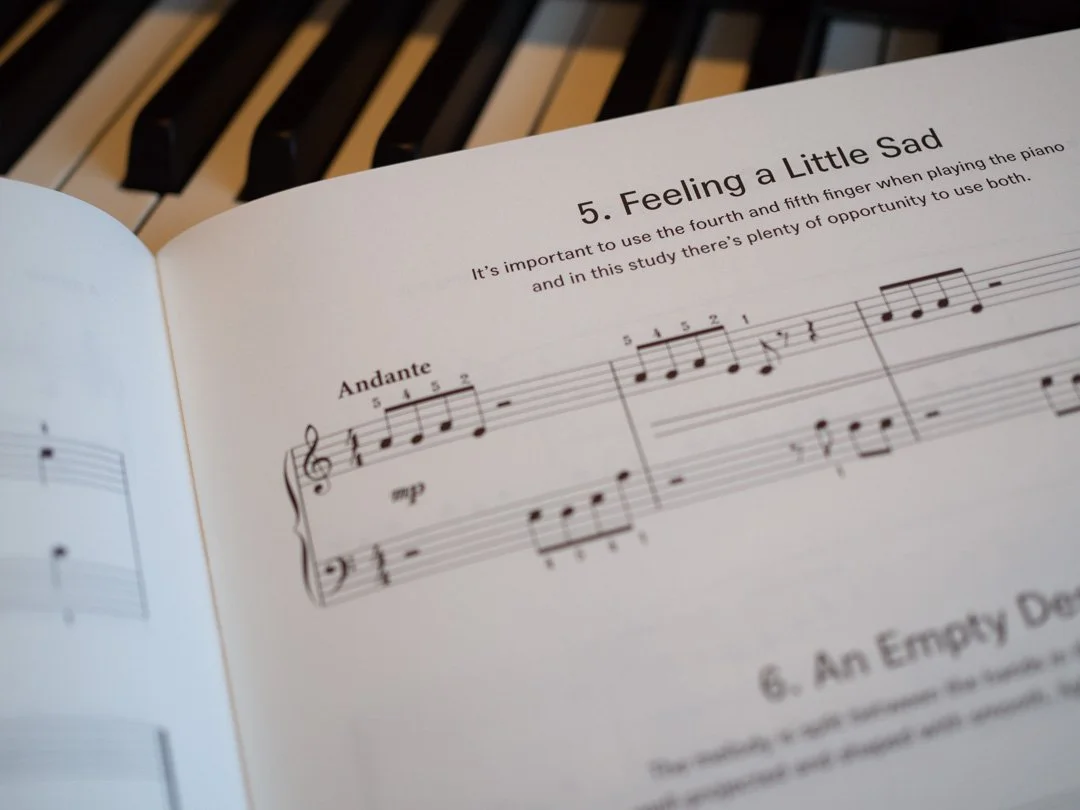
LCM Piano Pre-Preparatory, Step 1 and Step 2
One of the past criticisms of the LCM pre-Grade 1 piano exams has been that they have lacked the diversity and wider appeal of the other grades. In the past, the selection of pieces and exercises have tended to be aimed, perhaps understandably, at children. But with an increasing number of adult learners, LCM have taken steps to remedy this in their pre-Grade 1 exams. The LCM Piano Pre-Preparatory exam is perhaps the least appealing to adult learners, but good progress has been made at Step 1 and Step 2.
At Pre-Preparatory level, candidates perform five out of the eight exercises, and two pieces each from Lists A and B. Step 1 introduces the five-finger scales of C and G majors, and A minor, alongside four out of the eight exercises, and two pieces each from Lists A and B. At Step 2, C and G majors, and A minor, alongside D major are extended to an octave. As before, four out of eight exercises, and two pieces each from Lists A and B are required. Pre-Preparatory requires the additional recognition of notes, while there are some simple discussion questions at Steps 1 and 2.
At all levels, the exercises are especially well-conceived, the aim being to develop a wide range of technical and musical skills. The introductions to each exercise indicate clearly its aim. In many ways, the strength of the pre-Grade 1 exams LCM offers lies in the gradual development of technical and musical skills across three levels, as opposed to only Initial Grade offered by ABRSM and Trinity.
Across the three levels, a nice variety of pieces are included, both original compositions and arrangements. Whilst the earlier-level pieces still lean towards children, for example, ‘Twinkle, Twinkle, Little Star’ at Pre-Preparatory, and ‘The Wheels on the Bus’ at Step 2, there is nevertheless a wide enough range of pieces to suit all ages. The technical and musical requirements of the pieces are generally well-suited, and the exercises link in well.
LCM Piano Grade 1
Grade 1 is always a pivotal grade because in many ways, it can ‘make or break’ a student’s first exam experience. Therefore, the repertoire choices are important, and there’s a need to balance technical demands with appeal. Overall, there are some interesting choices, but for me, Grade 1 lacks the standout pieces. As applies with all grades, LCM have gone with the less well-known pieces in the handbooks, and the well-known and old favourites on the alternatives. This does mean that the alternatives are always worth a look too.
I particularly liked the ‘Dance Song’ in List A which offers a pleasing mix of technical and musical interest. Hidy’s ‘October Song’, also in List A, feels challenging for Grade 1, especially with its two-page spread. Choosing a favourite in List B was a challenge and none of the alternatives appealed greatly. Siegmeister’s ‘Song of the Dark Woods’ was pleasant enough, though Tan’s ‘My Shadow’ has an uncanny resemblance to the music from The Adams Family which may appeal to some! As an aside, many of the pieces at Grade 1 felt quite ‘dark’, so it was a relief to find Crosby Gaudet’s ‘Boogie Woogie Bear’ in List C. Those who like a piece with a little more punch may prefer Garrow’s ‘Tricky Traffic’.
Overall, I felt underwhelmed at this grade. I longed for pieces with more character, and perhaps that ‘feel-good’ sound. There are hints of both, but on balance, the repertoire choices felt a little flat here.
My top three:
List A – Scholze: ‘Dance Song’
List B – Siegmeister: ‘Song of the Dark Woods’
List C – Crosby Gaudet: ‘Boogie Woogie Bear’
LCM Piano Grade 2
Overall, I felt more positive about Grade 2. There was a nice mix of styles and some happier-sounding choices. The choices too were a little more traditional, with Haydn’s ‘Scherzo in F’ jumping out of List A. Mel Bonis’s ‘La Puce’, also in List A, was not unappealing and contained the character in a piece I longed for at Grade 1.
It was quite hard to choose just one from List B with Peeters’s ‘Chagrin d’Enfant’, new to me, feeling especially poignant. Schumann’s ‘Soldatenmarsch’ is also a favourite, but Pam Wedgwood’s ‘Summer Song’ felt like the perfect antidote to List A. In List C, Nikki Iles’s ‘The Cheshire Cat’ offers an effective jazz option, but Mohrs’s ‘Das Würstchen’ felt like a nice challenge. I did enjoy Rossi’s ‘Zingaro Dance’, also in List C, but the tempo (quaver=304) and changing time signatures (5/8 and 7/8) might be too challenging for some candidates at this grade.
Grade 2 offers plenty of choice, both in the LCM Piano Handbook and in the alternative list. There are some effective pieces such as the Mohrs and Peeters which were new to me, and which I’m sure will prove popular.
My top three:
List A – Haydn: ‘Scherzo in F’
List B – Wedgwood: ‘Summer Song’
List C – Mohrs: ‘Das Wùrstchen’
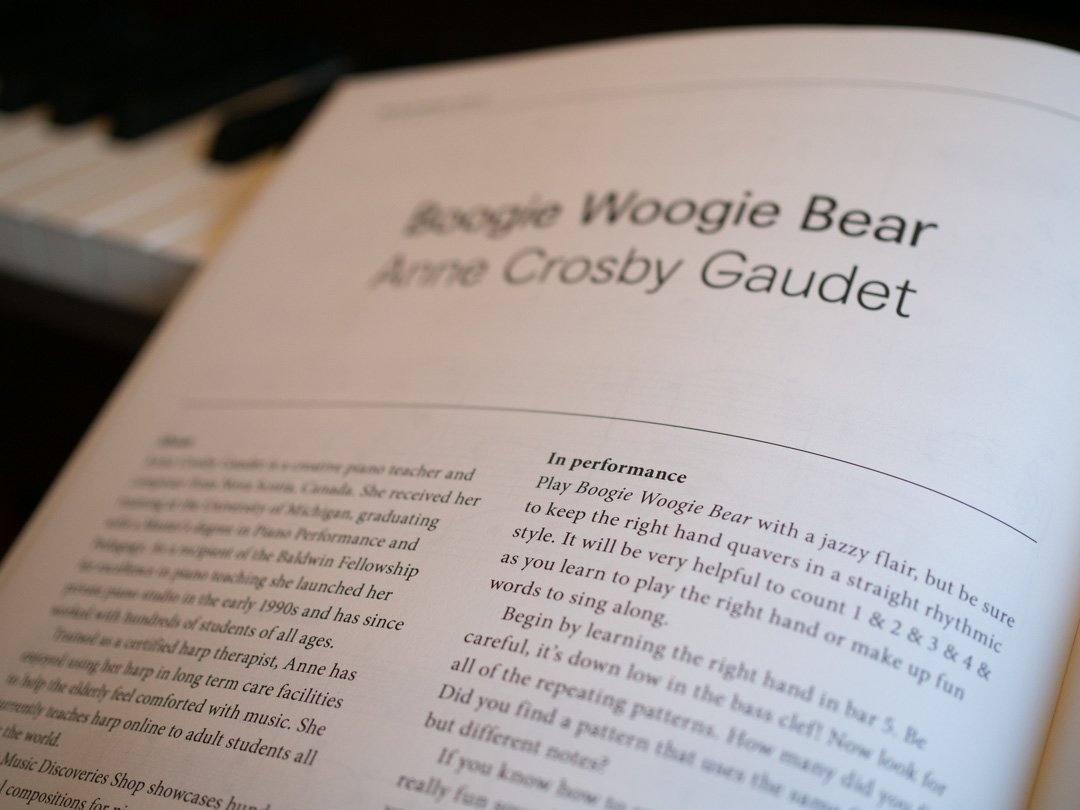
PHOTO (Boogie)
LCM Piano Grade 3
Again, there was a pleasing variety of styles at Grade 3, though quite a wide range in terms of difficulty. Telemann’s ‘Très Vite’ won out for me in List A, but I also enjoyed Saygun’s ‘Playful Kitten’, though it felt especially tricky for this particular grade with the perpetual motion of the LH versus a melody in the LH. The ledger line notes also extend well beyond the scales at this Grade.
If there’s going to be a standout piece in the entire syllabus, then my award goes to Nakada’s ‘Song of Twilight’ in List B. This is a beautiful piece of writing, proving that once again, less is so often more. It requires careful and effective pedalling, but the result is incredibly pleasing to both player and listener alike. That said, I also enjoyed Parlow’s ‘Fallende Blätter’ which, whilst technically challenging for Grade 3, is full of character, with plenty of opportunity for moments of drama.
I have to confess, I really struggled with List C at Grade 3, and it very much left me reaching for the alternatives. I felt that Rocherolle’s ‘Easy Walkin’’, whilst a great piece, was quite tricky for Grade 3. Again, a two-page spread with some complex rhythms and chords. Similarly, ‘Dog Hungry’ was not unappealing, but felt uninspiring for, again, another two-page spread. The Chapple and Wallen are both effective alternatives in List C.
Overall, Grade 3 really was a tale of two halves.
My top three:
List A – Telemann: ‘Très Vite’
List B – Nakada: ‘Song of Twilight’
List C – Wallen: ‘Pizza with Kristin’
LCM Piano Grade 4
LCM, along with other exam boards, have sought to move away from the traditional division of lists whereby List A contains baroque and classical works, List B, romantic works, and List C, modern and jazz works. These are now spread across the three lists and when playing through the selection at Grade 4, I couldn’t help but wonder whether the result of that is that the listing now feels somewhat random. To me, it’s not immediately clear why some pieces fall into some lists, and why others fall into other lists. I wonder if it’s time to do away with the lists entirely and ask candidates to present a balanced programme of three pieces, as they might do at diploma level, and which then becomes part of the marking? Food for thought.
I loved J.C.F. Bach’s ‘Polonaise in F’ in List A, but who could resist Köhler’s crazily funny ‘Chromatic Polka’. Not only is it proof that it is worth learning and practising chromatic scales, but it’s full of character, and deeply satisfying to play. I know some teachers will disagree with me, but I’m going to stick my neck out and say that I think Grieg’s ‘Elfin Dance’ is too hard for Grade 4. I have taught students at Grade 6+ level who have found this piece challenging.
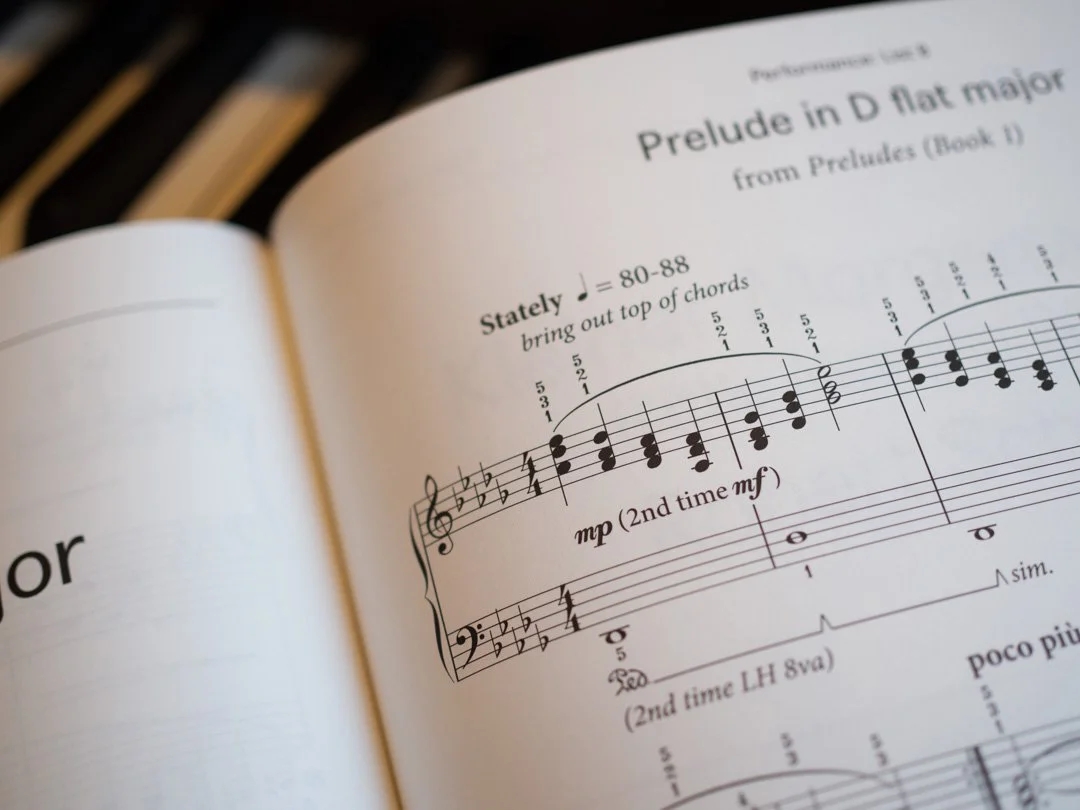
I really liked Rollin’s ‘Prelude in D flat’ major in List B, and indeed, I’m hoping to explore more of these preludes. It’s an especially good choice as the D flat major scale also appears in the syllabus at Grade 4. It requires careful voicing of the chords and some effective pedalling to really convey the lyrical feel of the piece.
List C felt like a little bit of a poor relation in comparison, but Keveren’s ‘Way Cool’ will be a memorable crowd-pleaser at this Grade. I also enjoyed Price’s ‘The Goblin and the Mosquito’, though again, I felt this was challenging for Grade 4 given the wide range of the piano used, combined with the rhythms and tempo.
Overall, some lovely choices at Grade 4, but there are plenty of excellent pieces to explore on the alternative lists too.
My top three:
List A – Köhler: ‘Chromatic Polka’
List B – Rollin: ‘Prelude in D flat’
List C – Keverin: ‘Way Cool’
LCM Piano Grade 5
On balance, I felt that the Kuhlau ‘Allegro’ in List A was possibly, at four pages, a little long for Grade 5, though of course, the length is balanced by the key signature and repeating patterns. In the end, I went with De Gambarini’s ‘Gigue’ in List A, which was pleasant enough.
Schubert’s ‘Waltz in B minor’ was fun, and it was a hard choice between that and the beautifully quirky ‘“P”’ by Echardt-Gramatté. I’ll admit I struggled with Shahi’s ‘Chaar- Mezrab’ in List C, though no doubt, this will appeal to some. In the end, I went with Olson’s ‘Time Traveler’ which I thought was a fantastic addition to the LCM Piano Syllabus. I’m certainly going to be exploring his music further. The changing time signatures (7.8, 4/8 and 6/8) are challenging, but the results are satisfying.
It was enjoyable to play a piano arrangement of Hamish MacCunn’s ‘The Land of the Mountain and the Flood’ (the theme from Sutherland’s Law for anyone of that vintage), but on balance, I felt this was quite easy for Grade 5 in comparison to the other places on the list.
I wasn’t wowed by Grade 5, though the Olson in List C is a standout piece from the whole LCM Piano Syllabus for me.
My top three:
List A – De Gambarini: ‘Gigue, Op. 2 No. 11’
List B – Eckhardt-Gramatté: ‘“P” Poissarde’
List C – Olson: ‘Time Traveler’
LCM Piano Grade 6
My wife, Clementine, tells me that her “stomach woke up” when we got to Grade 6, and it’s true, it does feel like there is a more varied choice for the top three grades in the LCM Piano Syllabus for 2021-24. The Bach on List A is always a crowd-pleaser, but equally, the Arne and Mendelssohn on the alternatives list are well worth a look.
I actually enjoyed all three choices in List B. Chopin’s ‘Mazurka in C’ is a character-filled piece, as is the completely contrasting ‘Une Larme’ (A Teardrop) by Mussorgsky. I’ve always had a soft spot for the Takemitsu which has already appeared on various exam syllabuses at one time or another. Whilst it looks straightforward and is only two pages long, it requires real precision and sensitivity.
André Previn’s ‘Like Blue’ is a great opener to List C and a valuable jazz option. The Berkeley ‘Allegro’ is also an excellent challenge with its changing time signatures and strong unison melodies. I’d have been happy to choose either of these, but as with the Takemitsu in List B, I’ve always had a soft spot for the delicacy and folk-like quality of the Grovlez.
Overall, Grade 6 offered many pleasing choices, both in the handbook, and on the alternative lists. There was a real sense that there were pieces to suit all ages and tastes, and as a consequence, Grade 6 was very much a winner for me on this LCM Piano Syllabus.
My top three:
List A – Bach: ‘Invention No. 14 in B flat major, BWV 785’
List B – Takemitsu: ‘Clouds’
List C – Grovlez: ‘Le Pastour’
LCM Piano Grade 7
As with Grade 6, there was real variety at Grade 7, and of the pieces included in the handbook, I’d have been happy to choose any. I have a soft spot for the Kabalevsky on List A as I played the whole of his Sonatina in C for my DipLCM piano performance. But ultimately, nothing could win over Bor’s ‘Fuga No. 1’ which I loved. Another piece and composer new to me, and one I will definitely be exploring further.
Equally, in List B, there was plenty of choice, especially if you also consider the alternatives. In the end, I went with Pejačević’s ‘Lillies’, once more, a composer and piece new to me. In List C I was, perhaps, slightly more reticent about the choices, but would be quite happy with Gershwin’s ‘‘S Wonderful’.
Overall, Grades 6 and 7 (and indeed, Grade 8) triumph in comparison to some of the earlier grades.
My top three:
List A – Bor: ‘Fuga No. 1’
List B – Pejačević: ‘Lillies’
List C – Gershwin: ‘‘S Wonderful’
LCM Piano Grade 8
It’s worth noting that where Grades 1-7 include three pieces from each of Lists A, B and C in the handbook, Grade 8 includes four – definitely a bonus! I fell in love with the Alwyn when it appeared on the ABRSM Piano Syllabus a few years ago. It’s a real forgotten gem.
In List B, I enjoyed several of the pieces. Ned Rorem’s ‘Barcarolle No. 1’ is an exquisite piece, needing a huge degree of sensitivity and control to execute it effectively. Another one I shall be exploring further. If you can get your fingers around it, York Bowen’s ‘Prelude in E flat’ is also a great choice. But, I fell in love with the Chaminade, and despite its length, it’s both satisfying to play, and full of character.
It’s perhaps List C at Grade 8 which didn’t quite hit the spot for me. I think I still long for that showstopper jazz option in List C, and I couldn’t quite find it. That said, I enjoyed the moodiness of the Turina, a worthy option at this final grade. As an aside, I’ll be ordering Pirates of the Caribbean: An Original Medley…for fun, obviously.
My top three:
List A – Alwyn: ‘Prelude and Fugue formed on an Indian Scale’
List B – Chaminade: ‘Arabesque No. 1 in G minor, Op. 61’
List C – Turina: ‘Sacro-Monte’
Summary
In recent years, LCM have sought to diversify and develop their syllabuses in a way which seems to have left other boards scratching their heads. This syllabus is no exception, and it is certainly the most diverse syllabus I’ve seen. This is, of course, to be welcomed and celebrated, so bravo to LCM and the compilers for really sticking their necks out and taking a huge risk.
There are many excellent pieces in this LCM Piano Syllabus, all new to me, which stand out: Nakada’s ‘Song of Twilight’ at Grade 3; Olson’s ‘Time Traveler’ at Grade 5; Bor’s ‘Fuga No. 1’ at Grade 7; and Chaminade’s ‘Arabesque No. 1 in G minor’ at Grade 8.
Inevitably, not all pieces are as effective as others. I asked myself whether, in the quest for diversity, LCM has gone a little too far the other way? I don’t think this is the case (or at least, I’d sit on the fence), but in future syllabuses, I’d like to see a balance which not only represents new, upcoming, and underrepresented composers, but also popular composers of the past and present. There is room for everyone.
If LCM were to develop their piano syllabus further, I’d like to see the introduction of exercises at Grades 1-8, much like those at Steps 1 and 2. In comparison to ABRSM and Trinity, the scale workload now feels on the heavy side. Perhaps this could be balanced alongside exercises which could equally seek to develop musical and technical skills?
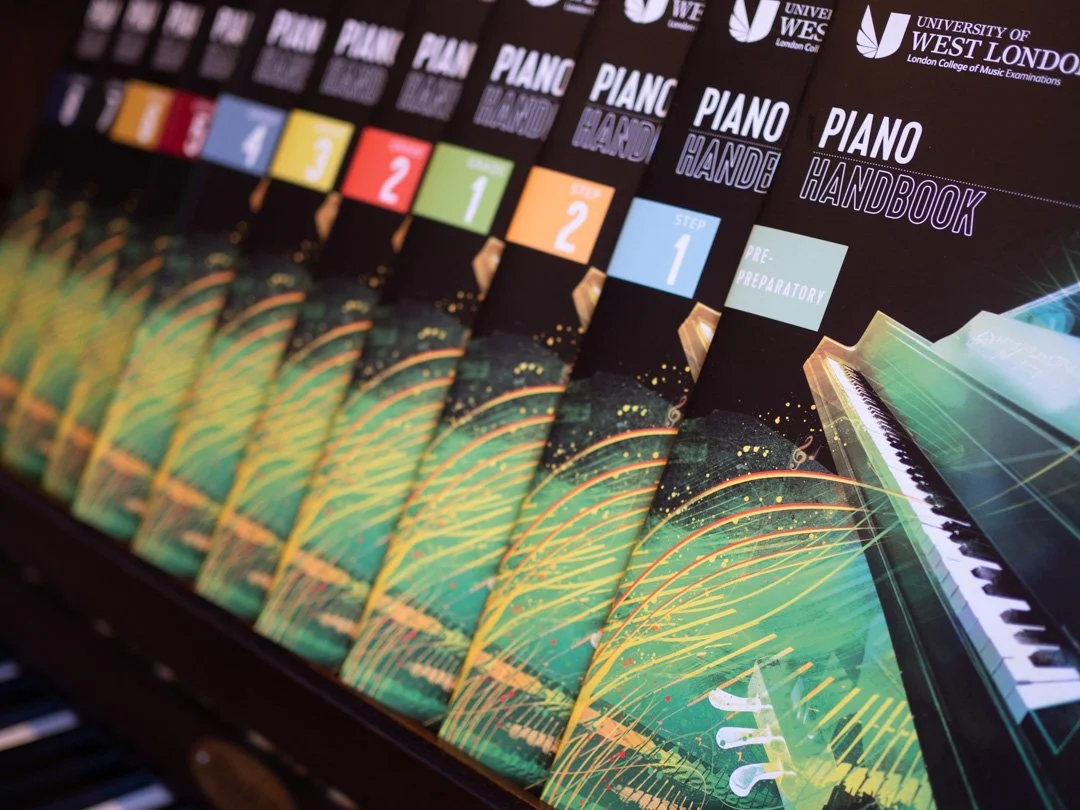
As ever, the LCM Piano Handbooks are well laid-out, and the print is clear and of a good size. The page-long notes for each piece give both context and teaching ideas. These alone make the books excellent value, far more so than other exam boards. From Grade 4 upwards, the books need a little encouragement to lie flat on the music stand which can be a little frustrating. Ironically, this is a result of packing them full of such a huge range of useful material!
Overall, this is a diverse and exciting LCM Piano Syllabus with much to be celebrated. The higher grades in particular stand out. Some grades and some lists fall short of that, which perhaps makes them all the more obvious.
As LCM looks towards their next piano syllabus, I’d encourage them especially to think about the very specific needs of candidates at Grade 1 which, if I’m honest, felt the most disappointing across the 11 levels of exam.
LCM Piano Handbooks, Pre-Preparatory to Grade 8, were published in 2021 by LCM.
I was sent a review copy of these books free of charge; however, this review is my honest opinion as a teacher. You can find my Reviews Policy here.
If this entry in The Notebook has encouraged or supported you, you are warmly invited to buy me a virtual coffee on Ko-Fi. Support starts from just £3 - whether as a simple one-off gift or a monthly subscription - helping this freely offered work to continue and quietly grow.

Inevitably, with the popularity of the original Encore series, expectations are high, so does Encore Plus live up to its predecessor?