

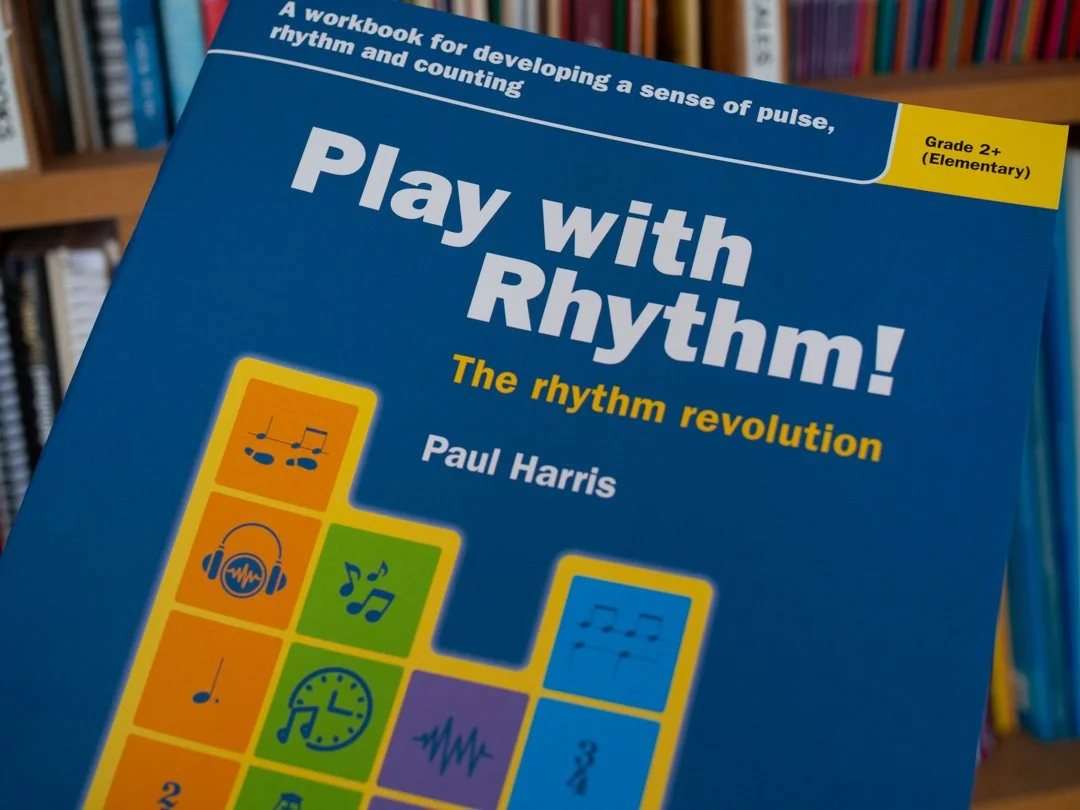
Play with Rhythm! The rhythm revolution (Paul Harris) | Music Book Review
This post is part of my Quick Takes series - short, focused reviews that highlight key publications for teachers and players.
Introduction
For a long time, I have posed my students a question:
“Which is more important, notes or rhythm?”
The answer is invariably “notes”. I then play them Happy Birthday in two different versions: in the first, the notes are correct, but the rhythm is wrong; in the second, the rhythm is correct, but it’s played on one note. This usually proves relatively quickly that it is, in fact, the second version with the correct rhythm which is easier to recognise.
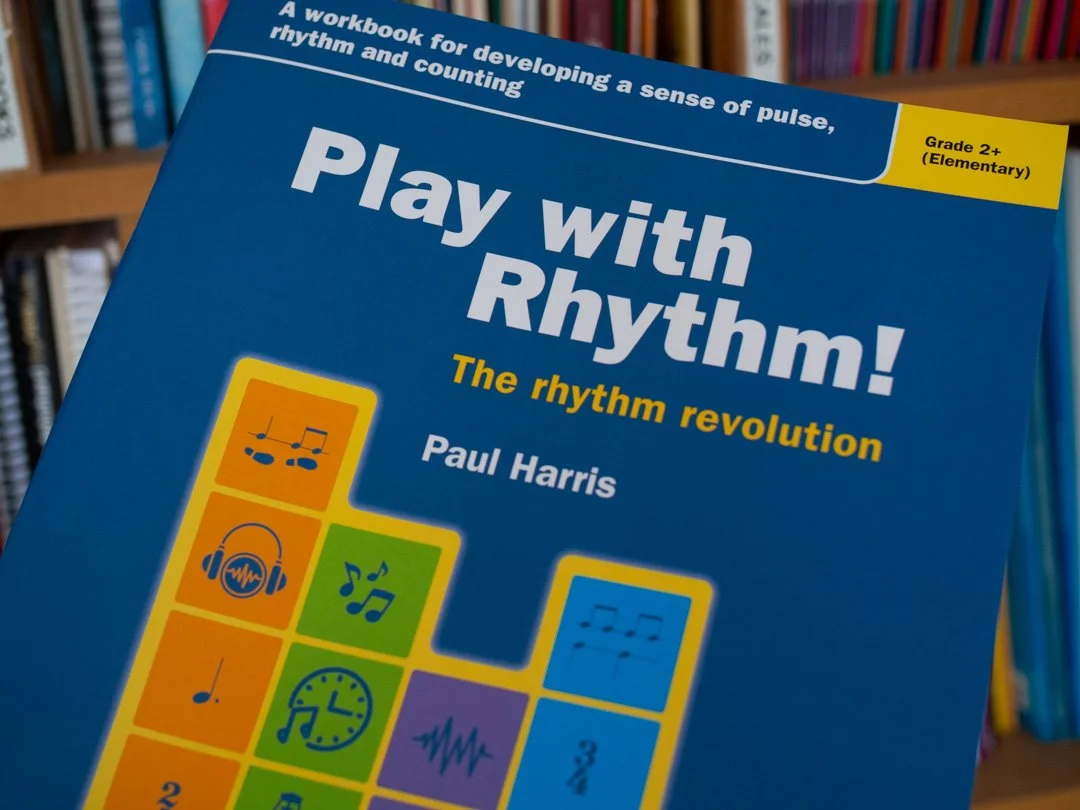
I’m not saying this is always the case, but however you look at it, rhythm is important. I was therefore delighted to receive a copy of esteemed music educator, Paul Harris’s new book from Faber Music, Play with Rhythm! The rhythm revolution. The workbook is designed to aid the development of pulse, rhythm and counting in musicians of Grade 2 level and above.
Key Impressions
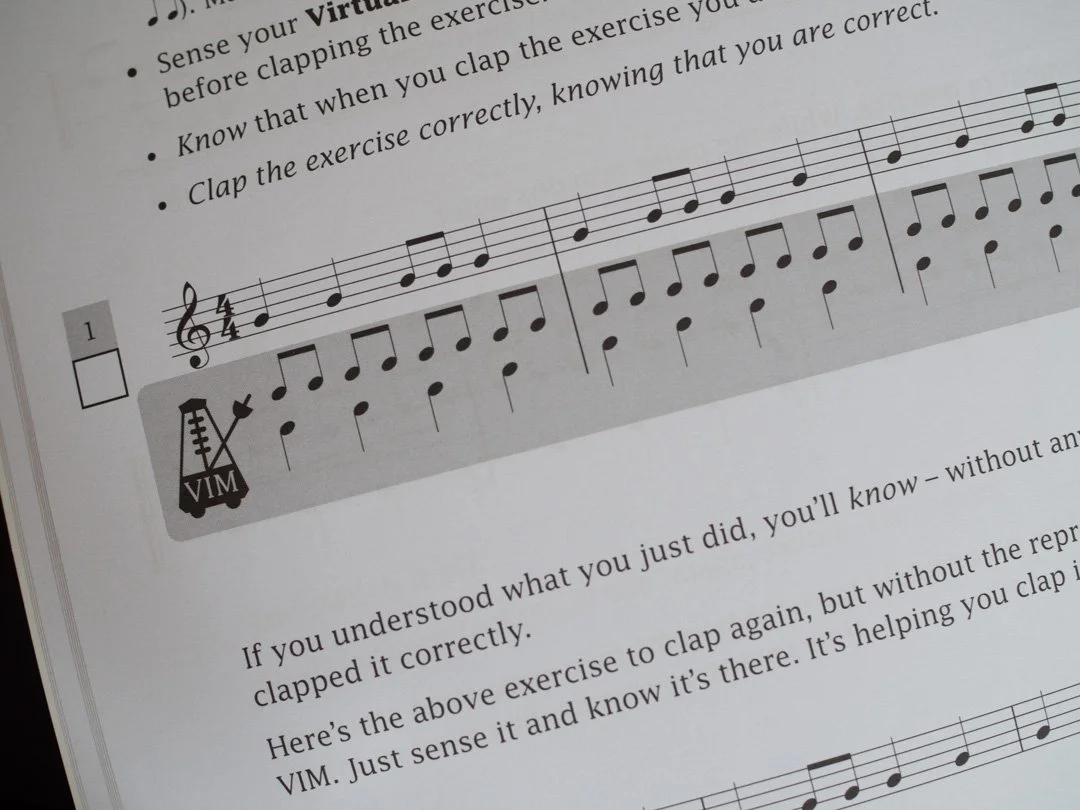
This practical workbook - designed for all instrumentalists, and I’m sure singers too - takes students on a step-by-step journey to deepen their understanding and awareness of pulse and rhythm. Drawing on Paul Harris’ well-known ‘simultaneous learning’ approach, the book is packed full of activities and practical exercises which encourage students to develop their ‘Internal Virtual Metronome’, whilst also conquering some of the more trickier aspects of rhythm such as ties, rests, dotted notes, triplets and compound time.
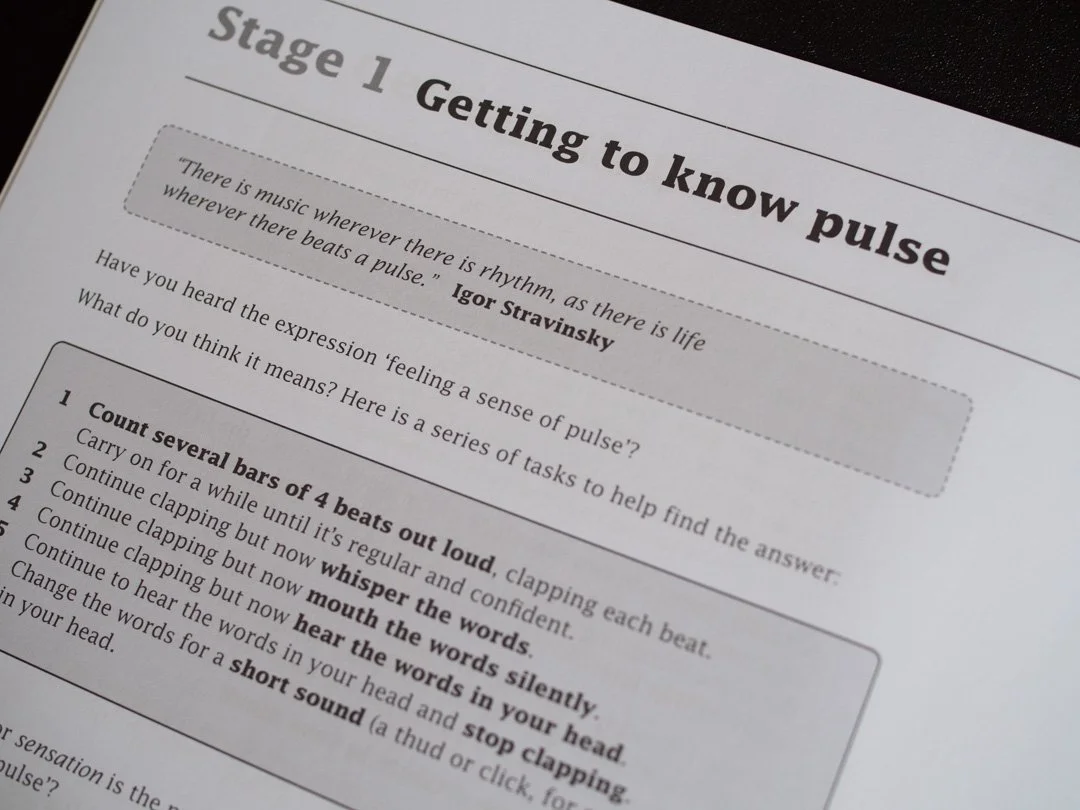
The book is packed full of Paul Harris’ usual encouragement and wise words of advice. It opens by reflecting on the concept of pulse - not just as an abstract idea in relation to rhythm, but as something which can be felt and found in the physical body too.
As you might expect, the book progresses to introducing crotchets and minims in a 4/4 time signature, gradually developing an understanding of quavers and semiquavers alongside dotted notes and rests. By the end of the book students will be able to master rhythms which include crotchets, quavers, triplets, semiquavers, dotted notes, ties and rests.
There is plenty of opportunity to practise the new skills acquired, not just through clapping and playing, but through composition too. One of the things I especially liked about this book was the way in which each note value is related to others, for example, using a beat of four semiquavers to work out a rhythm comprising a dotted quaver and semiquaver.
It therefore struck me that this isn’t just a book about learning how to ‘do’ rhythm, but about how to approach it in practice. Even with my advanced students, we still discuss how to count by relating note values to others. I think this is really useful, and I’m sure students will value Paul Harris’ ideas about the ‘Internal Virtual Metronome’.
Verdict
Overall, Play with Rhythm has a clear progression - I would also venture to suggest that it need not be restricted to musicians of Grade 2 upwards - much could be introduced and developed earlier.
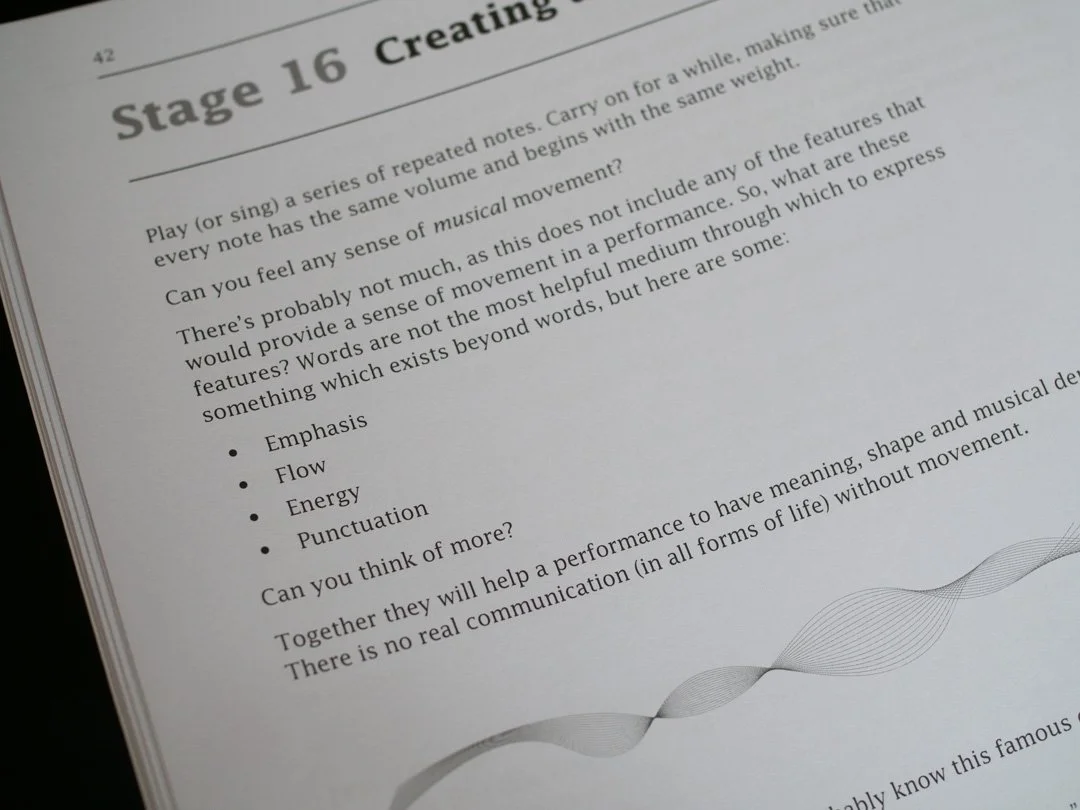
Musicians of all ages - children and adults - will value the clear layout and logical presentation. Advanced students will also enjoy the final chapters which explore the idea of creating a sense of movement as they begin to develop an awareness of concepts such as rubato.
I know how much I will be using this book with my students in the coming weeks and months, and alongside Paul’s many other publications, it will be a great addition to your shelves at the beginning of a new term and academic year.
⭐️⭐️⭐️⭐️⭐️
Play with Rhythm! The rhythm revolution by Paul Harris, was published in 2026 by Faber Music ISBN 978057154374X, RRP £9.99.
I was sent a review copy of this book free of charge; however, this review is my honest opinion as a teacher. You can find my Reviews Policy here.
If this entry in The Notebook has encouraged or supported you, you are warmly invited to buy me a virtual coffee on Ko-Fi. Support starts from just £3 - whether as a simple one-off gift or a monthly subscription - helping this freely offered work to continue and quietly grow.
Star ratings reflect my personal opinion based on usefulness, creativity, presentation, and appeal for teachers and players. I only review publications I can genuinely recommend (3 stars and above):
⭐️⭐️⭐️ Worth exploring - A solid and dependable publication with moments of interest.
⭐️⭐️⭐️⭐️ Recommended - Thoughtful and well-presented; many teachers and players will enjoy using it.
⭐️⭐️⭐️⭐️⭐️ Highly recommended - Beautifully written, inspiring, and one I’ll return to often.

Inevitably, with the popularity of the original Encore series, expectations are high, so does Encore Plus live up to its predecessor?