

Music We Might Have Played | Piano Sheet Music Review
I’ve often talked about music lessons as a gateway to a lifetime’s enjoyment - in fact, I talk a lot about musical journeys because in many respects, they are, to me, more important than the destination. I think it’s true of books too - some books are a destination in themselves, but others offer us a gateway to so much more. Music We Might Have Played, a new collection of 19 works for solo piano, is just one of those books.
First Impressions: A Collection With a Story to Tell
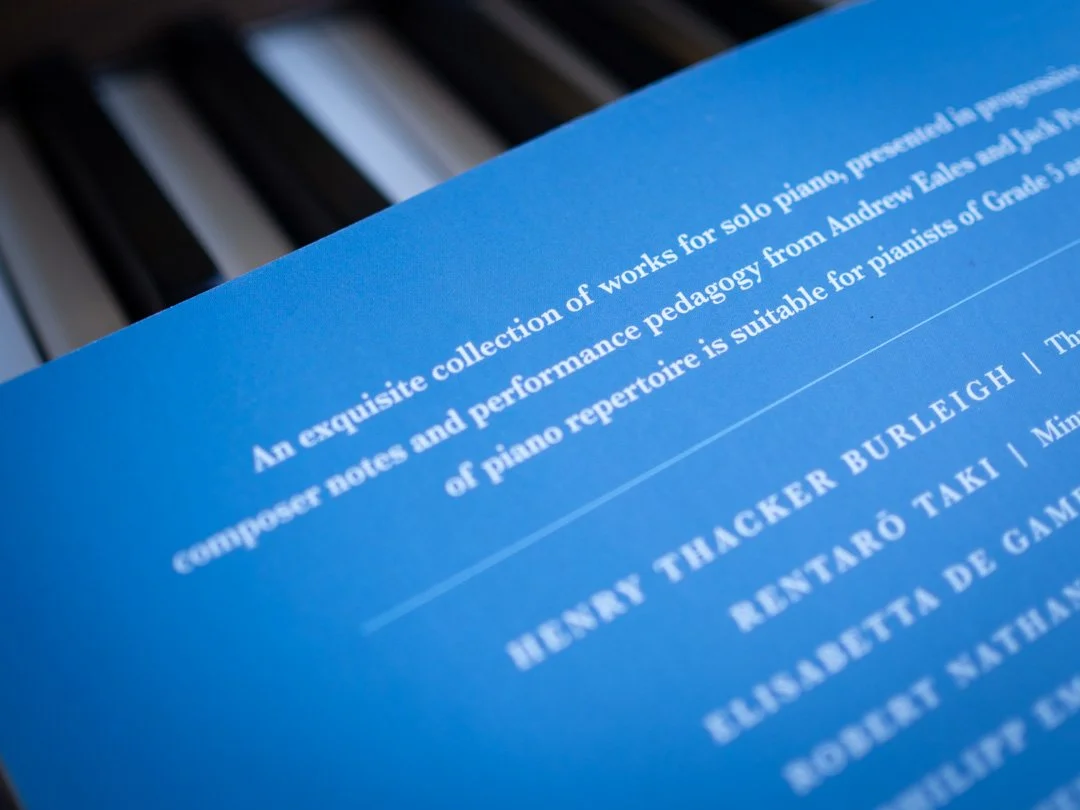
Carefully curated by Andrew Eales and Jack Pepper, Music We Might Have Played offers a diverse selection of solo piano works, complete with pedagogical teaching notes and commentaries, and a foreword by Jeneba Kanneh-Mason.
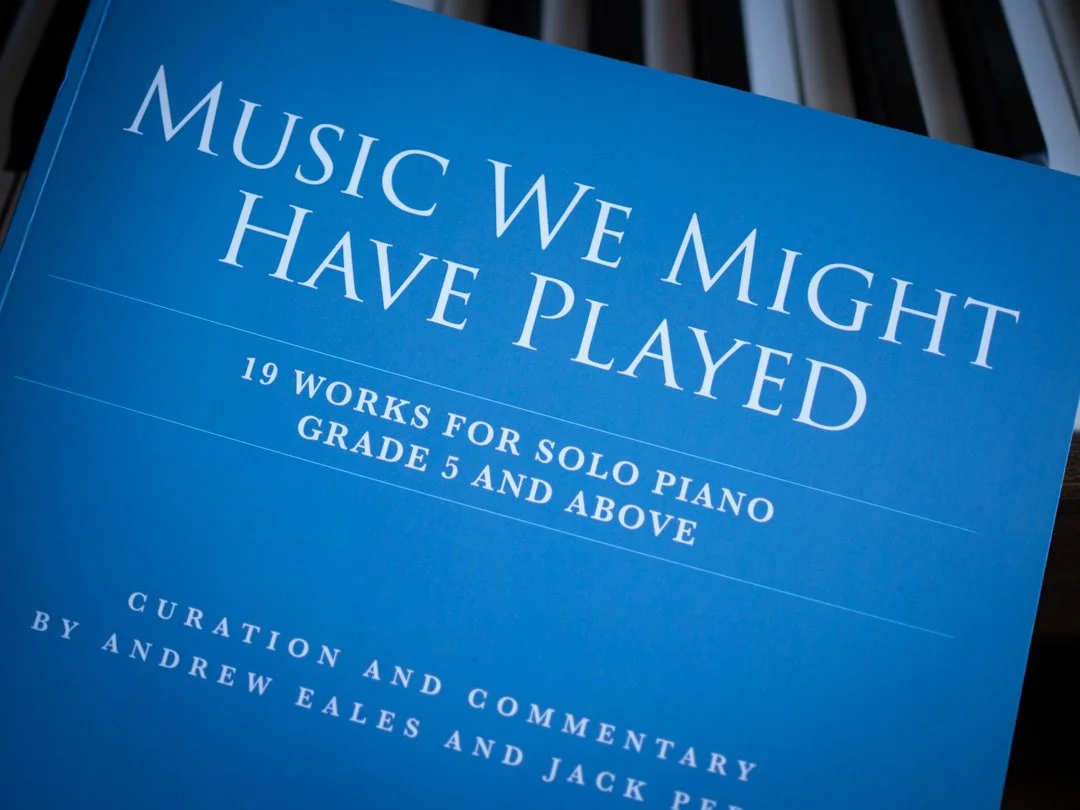
In some ways, the concept is simple - to bring together a broad selection of pieces from across the classical music genre which reflect the ever-changing musical landscape of the 21st century. The book acknowledges that classical can mean many different things - a far broader spectrum of works than the repertoire of many of our childhoods, dominated by predominantly German-speaking, male composers.
That said, Music We Might Have Played is not a book designed to throw out the baby with the bath water, but as Jeneba Kanneh-Mason acknowledges in her foreword, a reminder that there is still so much music to discover - music which may have inspired the authors in their own childhood - and music which can and will inspire generations to come.
What is the Music We Might Have Played?
Music We Might Have Played brings together 19 solo piano works for pianists at Grade 5 level and above. Esteemed piano educator, Andrew Eales of Pianodao, has collaborated with composer, broadcaster and writer, Jack Pepper, to select a broad range of pieces which not only offer players familiar favourites by composers such as C.P.E. Bach and Fauré, but some varied and imaginative pieces by a diverse selection of less familiar composers.
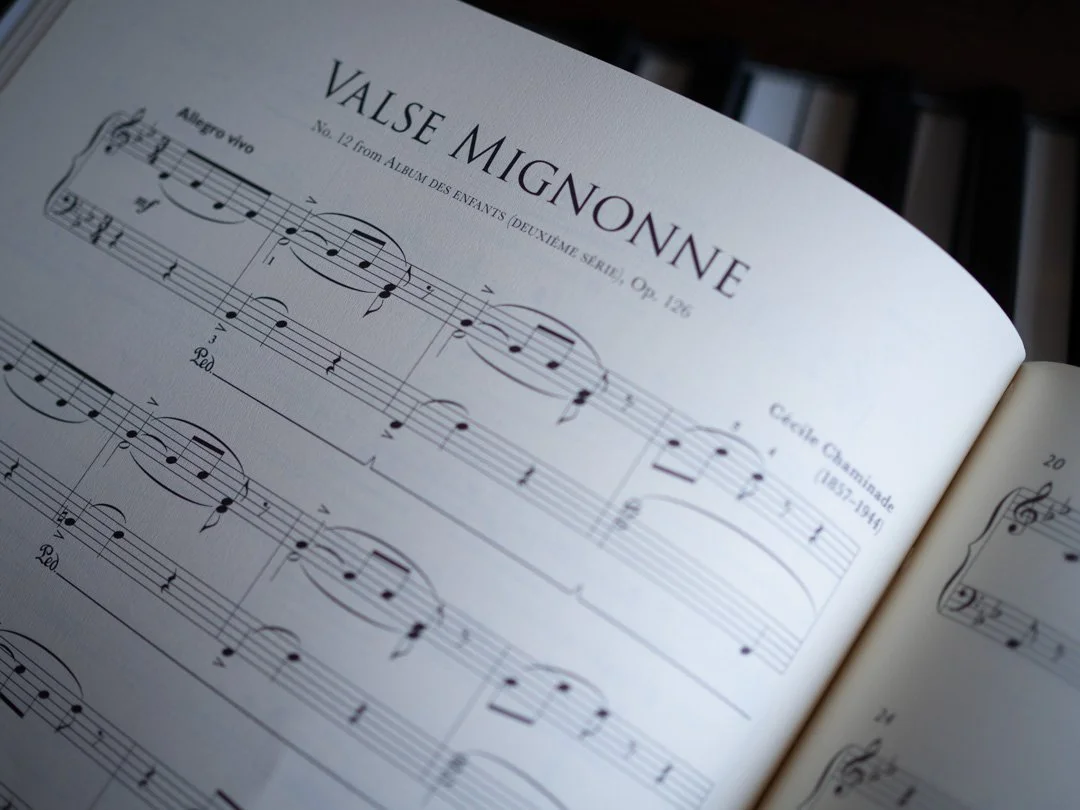
In the case of Music We Might Have Played, that diversity is played out not only in music by women composers, but from composers outside Europe, and works from the ‘salon era’, often largely ignored in the established canon of works familiar to us from childhood. In Music We Might Have Played, you can find:
Burleigh: Through Moanin’ Pines
Taki: Minuet and Trio
De Gambarini: Grazioso
Dett: Honey
C.P.E. Bach: Solfeggietto
Field: Nocturne in B flat major
Casella: Gallop
Chaminade: Valse Mignonne
Hartog: Summer Song
Cervantes: Adiós a Cuba
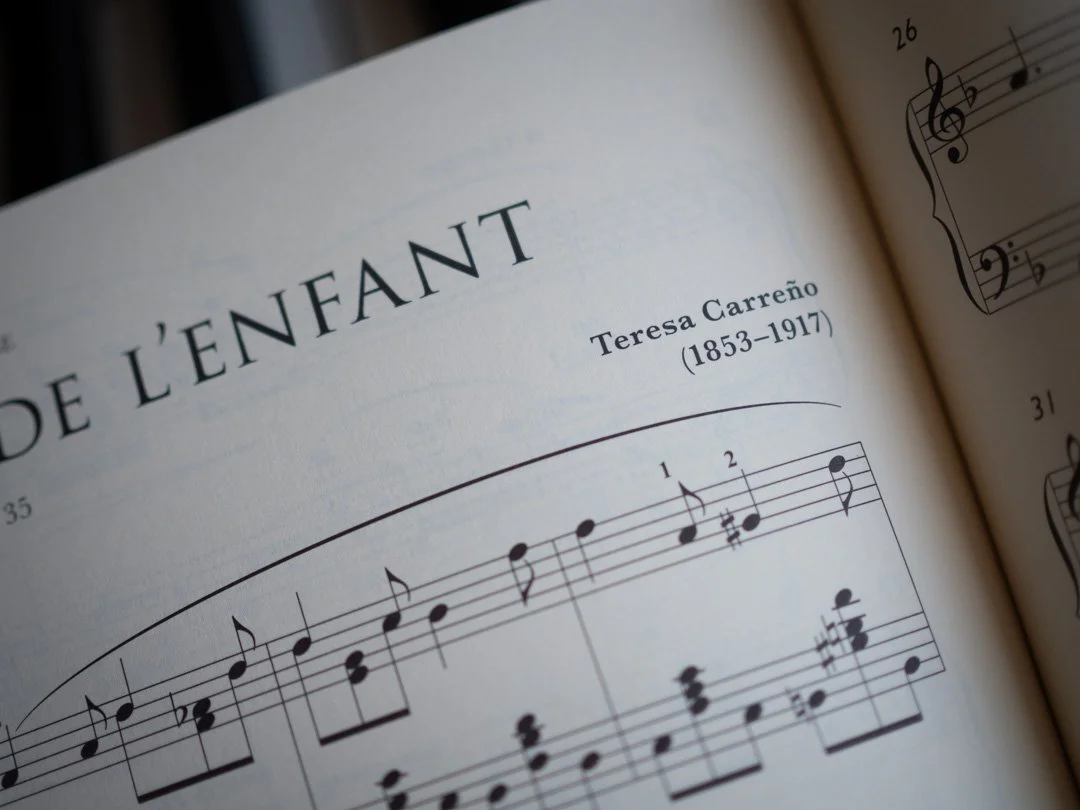
Carreño: Le sommeil de l’enfant (Berceuse)
Badarrzewka: The Maiden’s Prayer
Beach: Scottish Legend
Price: On the Top of a Tree
Ponce: Intermezzo in E minor
Fauré: Romance sans paroles
Bonis: Gai Printemps
Paderewski: Minuet in G
Coleridge-Taylor: Allegro Moderato
The Repertoire: Variety, Discovery, and Musical Interest
From the list above, it’s easy to see how diverse the selection of composers represented in this volume is. Like me, I’m sure there are names you recognise, but there were certainly many I didn’t - it is true also that maybe even five years ago, I wouldn’t have recognised some of the names here. The music spans the baroque to the modern periods, and even within those, there is a huge variety in style, mood, and tempi.
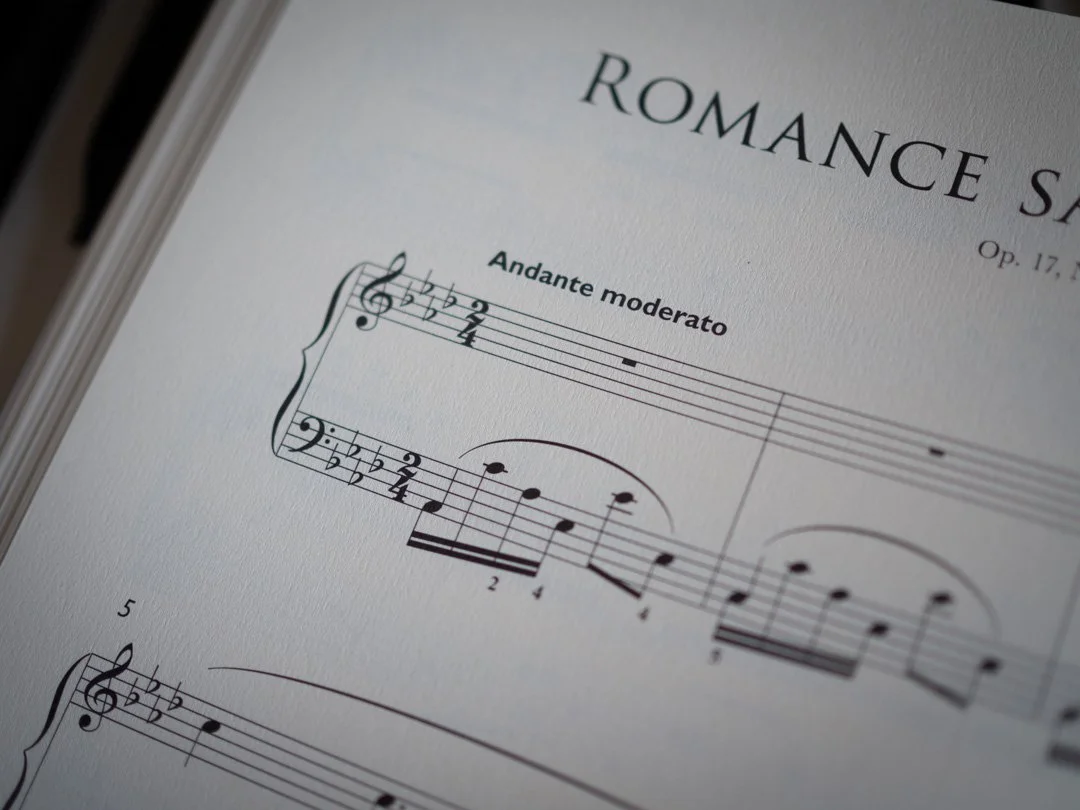
I particularly enjoyed revisiting Fauré’s ‘Romance sans paroles’ which I have always thought to be a piece which should be better known. ‘Honey’, a humoresque by Robert Nathaniel Dett (1882-1943), was a great discovery. As a champion of the folk music of black people, Dett’s work draws on the emerging ragtime and jazz rhythms of the early 20th century requiring rhythmic precision and crisp articulation.
Cécile Hartog’s (1857-1940) ‘Summer Song’ was enjoyable, with its expressive melody shifting between the hands, and its lovely ethereal ending. ‘Intermezzo in E minor’ by Manuel Maria Ponce (1882-1948), a Mexican composer, brings together the composer’s love of Mexican popular culture and classical music in a heartfelt, nostalgic ode to his homeland.
Editorial Notes and Pedagogical Support
Ultimately, Music We Might Have Played is a volume of music to be played and enjoyed, but in the context of The Notebook, I shouldn’t ignore its pedagogical value. Andrew Eales and Jack Pepper have both contributed a commentary for each piece. Whilst Andrew focusses on the pedagogical side of each work in a playing and teaching context, Jack Pepper writes thoughtfully about each’s social, cultural and historical context.
These performance notes are hugely useful, and add real weight to the value of the book as a whole. Andrew’s pedagogical insights are valuable not just for teachers who might be using this book with their piano students, but with players seeking fresh, new repertoire to enjoy playing independently. The solo piano works included begin around Grade 5 level, up to around Grades 7-8.
Final Thoughts
I’ll be honest, I was a little unsure about the title of the book to begin with - but when you dig deeper into the foreword, commentaries, and musical works themselves, it makes perfect sense. Compared to many volumes of solo piano works, and even with the inclusion of some better-known pieces, Music We Might Have Played feels fresh and inviting. It will suit pianists of Grade 5 level and above seeking new repertoire - and as I said above, not just the pieces in this book, but using this carefully curated selection as a gateway to further exploration and enjoyment.
Ultimately, I can’t think of any other book with such a unique starting point, and that in itself makes it a valuable addition to your library.
⭐️⭐️⭐️⭐️⭐️
Music We Might Have Played with curation and commentary by Andrew Eales and Jack Pepper, was published in 2025 by Hal Leonard, ISBN 9798350155808, RRP £19.95
I was sent a review copy of this book free of charge; however, this review is my honest opinion as a teacher. You can find my Reviews Policy here.
If this entry in The Notebook has encouraged or supported you, you are warmly invited to buy me a virtual coffee on Ko-Fi. Support starts from just £3 - whether as a simple one-off gift or a monthly subscription - helping this freely offered work to continue and quietly grow.
Star ratings reflect my personal opinion based on usefulness, creativity, presentation, and appeal for teachers and players. I only review publications I can genuinely recommend (3 stars and above):
⭐️⭐️⭐️ Worth exploring - A solid and dependable publication with moments of interest.
⭐️⭐️⭐️⭐️ Recommended - Thoughtful and well-presented; many teachers and players will enjoy using it.
⭐️⭐️⭐️⭐️⭐️ Highly recommended - Beautifully written, inspiring, and one I’ll return to often.

Quirky and intriguing, Rob Hall’s Underground for solo piano, is well worth a look.